EV vs Hybrid vs Gasoline: Choose Based on How You Drive
EV vs Hybrid vs Gasoline: Choose Based on How You Drive
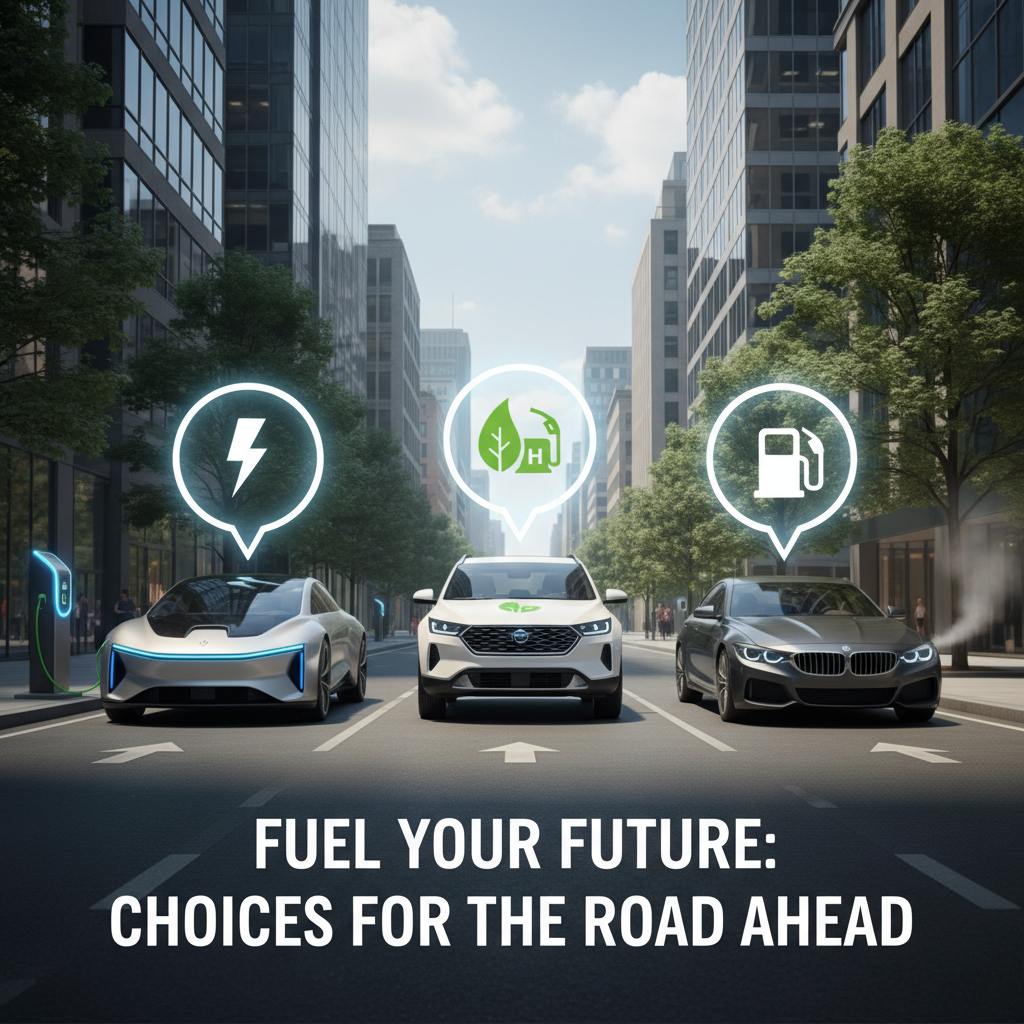
Choosing between an electric vehicle (EV), a hybrid, and a conventional gasoline car comes down to how you use a vehicle every day. This guide breaks down the practical trade-offs—commute length, charging access, refueling convenience, range, maintenance, running costs, vehicle availability, and long-distance travel—so you can match a powertrain to your driving habits.


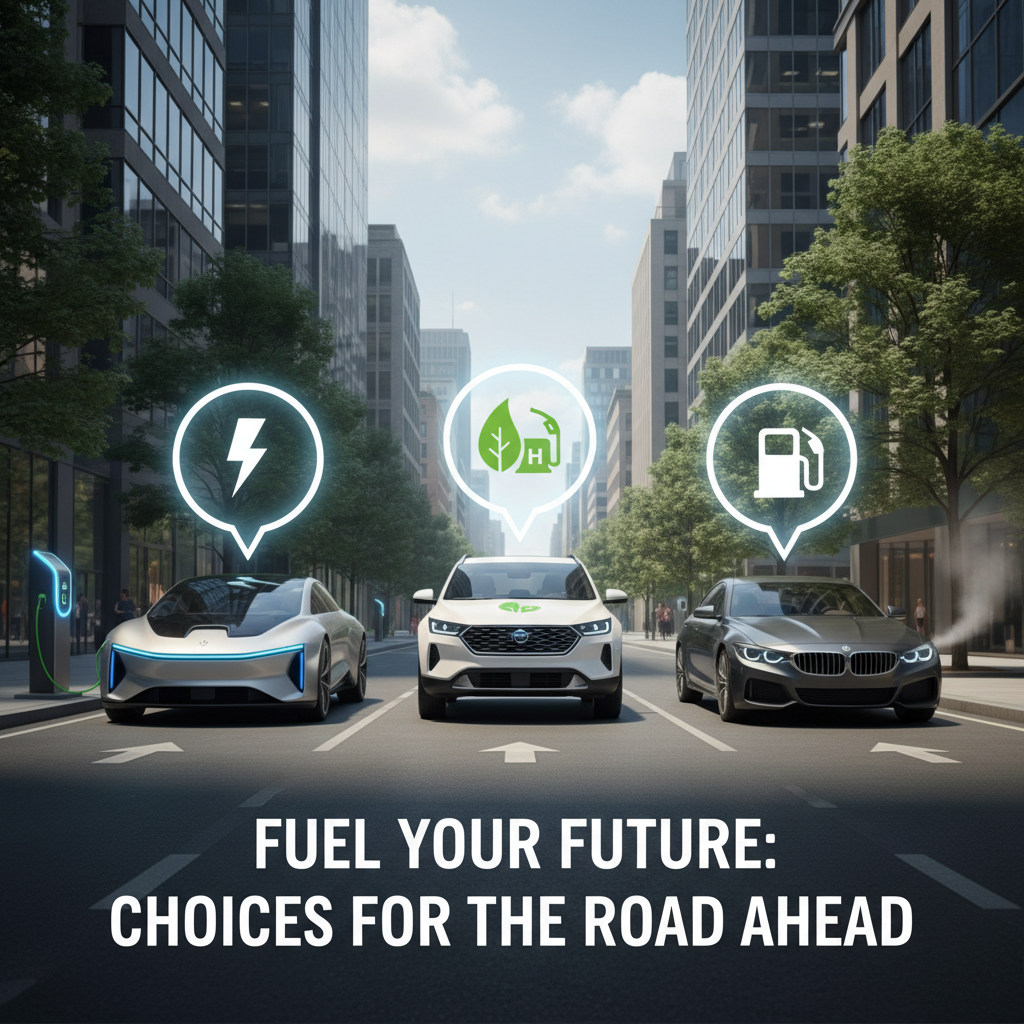
How your commute shapes the choice
Commute distance and patterns are the single most important factors. If your daily driving is mostly short, predictable trips and you can charge at home, an EV often fits well. If you drive long distances every day or lack convenient charging, a gasoline car or a conventional hybrid may be more practical.
Short, predictable commutes
Drivers who travel primarily within city limits and return home each night benefit from the simplicity of plugging in overnight. EVs eliminate routine stops for fuel and can meet most daily needs without the internal combustion engine.

Long or variable commutes
If you routinely drive long distances without reliable access to charging, hybrids or gasoline cars reduce range anxiety. Hybrids blend an internal-combustion engine with electric assistance to improve fuel economy without requiring plug-in charging for everyday use.

Charging access vs refueling convenience
Where you can charge or refuel affects ownership experience more than vehicle badges do.
Home and workplace charging
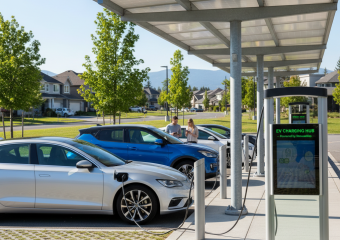
Home charging is a major convenience for EV owners; overnight charging restores usable range and reduces the need for public chargers. Access to workplace charging further increases EV practicality. Without these, relying on public chargers adds time and planning.
Public charging and gas stations
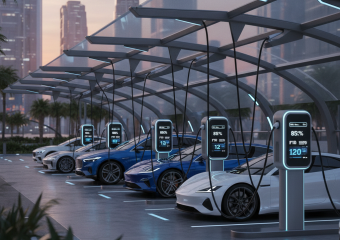
Public charging infrastructure varies by region. Charging sessions typically take longer than a gasoline fill-up, so long-distance travel with an EV usually requires planned stops. By contrast, gasoline refueling remains fast and widely available, which favors drivers who value minimal downtime.
Range and real-world usability
Range expectations differ across powertrains. EV ranges vary model to model; some match or exceed typical daily needs, while others are suited to shorter trips. Hybrids provide improved fuel efficiency and extended range because they carry a conventional fuel tank and an electric system that assists the engine.
Maintenance and reliability considerations
Maintenance needs differ in predictable ways. EVs have fewer moving parts—no oil changes or timing belts—and fewer scheduled maintenance items overall. Hybrids still have combustion engines, transmissions, and the hybrid system, which can add complexity. Gasoline cars have well-understood maintenance schedules and broad service availability.
Operating costs without speculation
Operating cost comparisons depend on local fuel and electricity prices, driving patterns, and maintenance habits. EVs often shift costs from fuel and engine service to electricity and occasional battery-related concerns. Hybrids typically lower fuel use relative to comparable gasoline models but still incur conventional maintenance.
Vehicle availability and model choice
All three powertrains are widely available across many vehicle segments, though availability can vary by region and segment. Electric options have expanded rapidly in recent years, and hybrids remain common across compact and mainstream models. If you need a very specific body style, drivetrain, or towing capability, check current availability in your market before deciding.
Long-distance travel and road trips
For frequent long trips, consider how your planned routes align with refueling or charging networks. Gasoline cars and non-plug-in hybrids allow fast refueling and minimal planning. EVs are increasingly capable on road trips, but successful long-distance EV travel relies on accessible high-power charging and time-budgeting for longer stops.
Practical scenarios and sensible recommendations
- Urban daily driver with home charging: An EV is often the simplest, lowest-hassle option.
- Rural driver without charging access: A gasoline car or conventional hybrid will likely be more convenient.
- Mixed use—daily city driving plus occasional long trips: A hybrid or a plug-in hybrid (if available and supported locally) offers a balance between electric driving for routine trips and gasoline flexibility for longer journeys.
- Frequent long-range travel on highways: Gasoline or efficient hybrids minimize downtime; EVs are viable if routes have reliable fast charging.
Decision checklist
Ask yourself these questions before choosing:
- How many miles do I drive each day, and are they predictable?
- Can I charge at home or work?
- Do I need to make frequent long trips with short turnaround times?
- How important are lower routine maintenance tasks versus proven service availability?
- What vehicle body styles and features are non-negotiable for me?
Conclusion
There’s no single right answer to EV vs hybrid vs gasoline—each powertrain offers strengths and trade-offs. Base your decision on how and where you drive, your access to charging or refueling, and how you prioritize convenience, maintenance, and planning. Matching the vehicle to your everyday habits will deliver the best ownership experience, whatever the badge on the back.