Preparing Dealership Service Teams for the EV Boom
Introduction to the Electric Revolution in Service Departments
The automotive landscape is undergoing a massive transformation. As electric vehicles rapidly transition from a niche alternative to a dominant force on our roads, automotive dealerships face a critical operational crossroads. While much of the initial industry focus centered on vehicle sales, the true long-term success of a dealership increasingly relies on its service department. Preparing service teams for the electric vehicle market is no longer a futuristic goal; it is an urgent daily necessity. Without adequate training, specialized tools, and a modernized facility layout, dealerships risk falling behind customer expectations and losing valuable revenue streams to independent repair shops.


Upskilling Technicians with Specialized Training
The foundation of any successful transition to servicing electric vehicles lies in workforce development. Traditional internal combustion engines operate on mechanical principles that mechanics have mastered over decades. In contrast, electric vehicles rely on high-voltage electrical systems, complex software architectures, and advanced chemical battery management.
Investing in Certified EV Training Programs
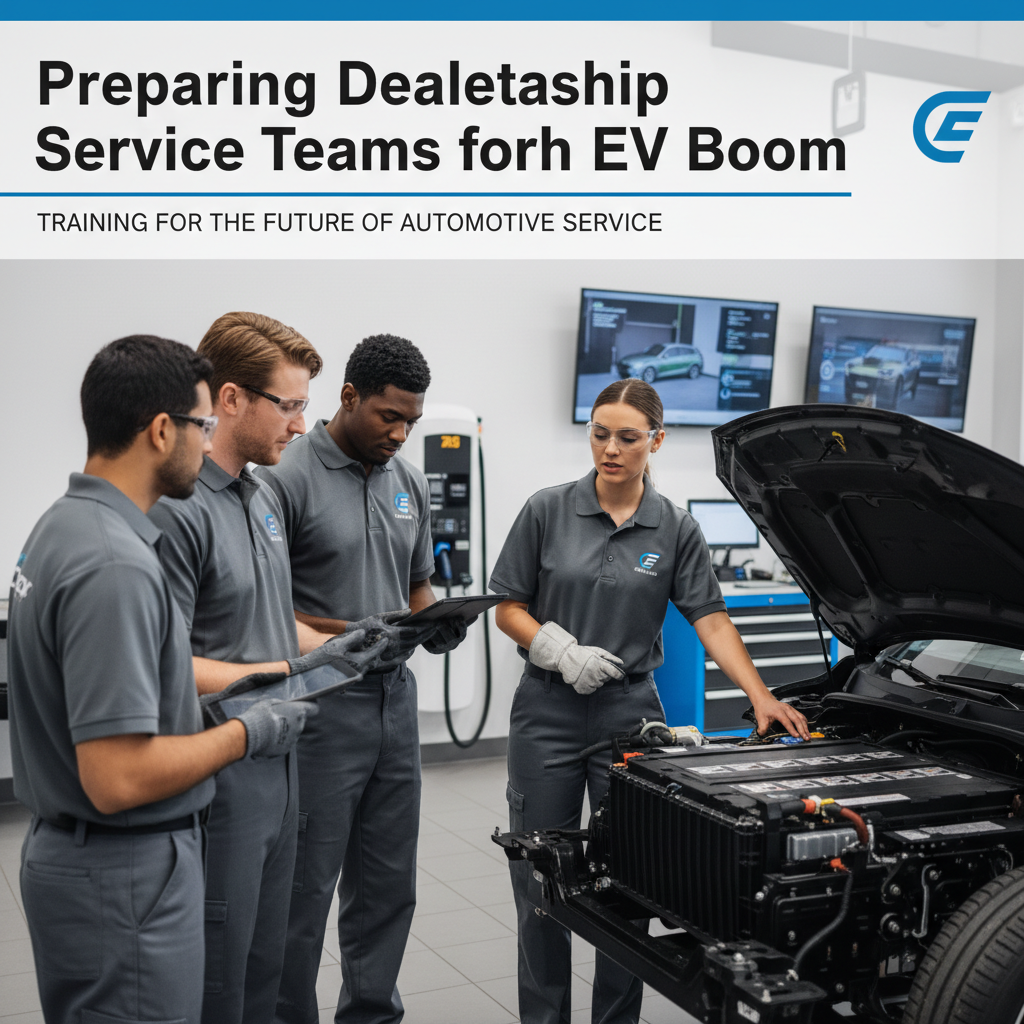
Dealership management must proactively invest in comprehensive, manufacturer-backed certification programs. These courses teach technicians how to safely handle high-voltage components, diagnose software glitches, and perform intricate battery diagnostics. Providing these learning pathways not only ensures safety in the workplace but also boosts employee retention by offering valuable, future-proof career skills.

Understanding High-Safety Protocols
Working with high-voltage systems introduces unique occupational hazards. Service teams require rigorous instruction regarding personal protective equipment, insulated tools, and emergency power-isolation procedures. Establishing a culture of safety minimizes risks and builds deep confidence among staff members who might initially feel intimidated by high-voltage architectures.

Equipping the Workshop for Next-Gen Repairs
Training alone is insufficient if the physical workspace lacks the proper infrastructure. Servicing electric vehicles demands a complete re-evaluation of shop tools and diagnostic equipment.
Upgrading Diagnostic Software and Hardware
Unlike traditional cars where mechanics listen for mechanical noises or check fluid levels, electric vehicles communicate primarily through data streams. Service bays need high-speed internet connections, updated diagnostic tablets, and specialized software capable of interfacing with proprietary vehicle operating systems. Technicians must become adept at interpreting complex data logs to pinpoint elusive software bugs.
Specialized Lifting and Handling Equipment
Electric vehicle batteries are exceptionally heavy and span the entire undercarriage of the vehicle. Dealerships must install heavy-duty vehicle lifts designed to safely accommodate these specific weight distributions. Furthermore, specialized battery handling carts, hoists, and coolant exchange systems are essential for safely dropping, repairing, and reinstalling battery packs without damaging delicate internal cells.
Adapting the Customer Experience and Service Advisor Role
Preparing for the electric vehicle market goes beyond the technicians turning wrenches in the back. Service advisors are the primary touchpoint for customers, and they need specialized knowledge to guide EV owners effectively.
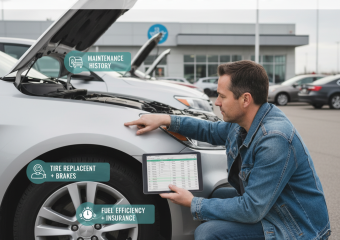
Advisors should be well-versed in explaining maintenance schedules that look drastically different from traditional vehicles. Since electric cars require fewer routine fluid changes, advisors must pivot toward promoting tire rotations, cabin air filter replacements, brake inspections, and software updates. Educating customers on proper home charging habits and battery health best practices also establishes the dealership as a trusted, authoritative resource.
Conclusion: Driving Future Profitability
The rapid expansion of the electric vehicle market presents both a challenge and a golden opportunity for forward-thinking dealerships. By investing heavily in technician training, upgrading shop equipment, and modernizing the customer service experience, dealership leaders can transform their service departments into highly profitable hubs of modern automotive technology. Embracing this shift today ensures long-term customer loyalty and sustainable business growth for years to come.