What the Future of Electric Cars Means for Buyers
What the Future of Electric Cars Means for Technology, Pricing and Demand
The future of electric cars is no longer a distant headline; it is the central question shaping product planning, consumer choices and public policy across the automotive industry. This article examines how advances in vehicle technology, changing pricing dynamics, charging infrastructure expansion, battery development and shifting consumer demand are converging to shape what buyers can expect in the coming years.


Technology: more than just motors and batteries
Electric vehicle technology continues to broaden beyond the electric motor and high-capacity battery. Powertrain hardware is evolving toward higher efficiency, lighter components and integrated thermal management systems that improve range and longevity. At the same time, software—vehicle control, energy management and driver assistance—plays a larger role in real-world performance and ownership experience.
Powertrain and efficiency gains
Improved inverter designs, more efficient electric motors and refined transmission strategies help EVs extract more miles per kilowatt-hour. Manufacturers are optimizing aerodynamics and weight distribution on new platforms to reduce energy consumption without increasing battery size, which keeps cost and complexity in check.

Software, connectivity and OTA updates
Over-the-air (OTA) software updates allow manufacturers to refine energy management, add features and address bugs without dealer visits. Smart charging and vehicle-to-grid (V2G) capabilities are being introduced in some models, enabling cars to interact with the grid and potentially lower running costs for owners with compatible infrastructure.

Pricing: purchase price versus total cost of ownership
Purchase price remains a critical consideration for buyers. Historically, battery cost was the largest factor in EV sticker price, but manufacturing scale, vertical integration and improved chemistry have been compressing that component. Even so, the upfront cost gap between many electric and internal-combustion models persists.
Total cost of ownership (TCO)
When evaluating value, many buyers should consider total cost of ownership rather than initial sticker price. EVs typically have lower fuel and maintenance costs, and incentives or rebates can further narrow the upfront gap. For buyers who drive high annual miles or have access to low-cost electricity, TCO often favors the electric option.
Practical pricing factors
- Trim levels and options: higher-range batteries, all-wheel drive and technology packages increase prices quickly.
- Incentives and tax treatments: vary by region and can materially affect the final cost.
- Resale and residual values: still forming for many EV segments; buyers should compare projected depreciation.
Charging infrastructure: accessibility and convenience
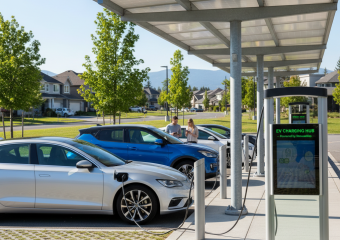
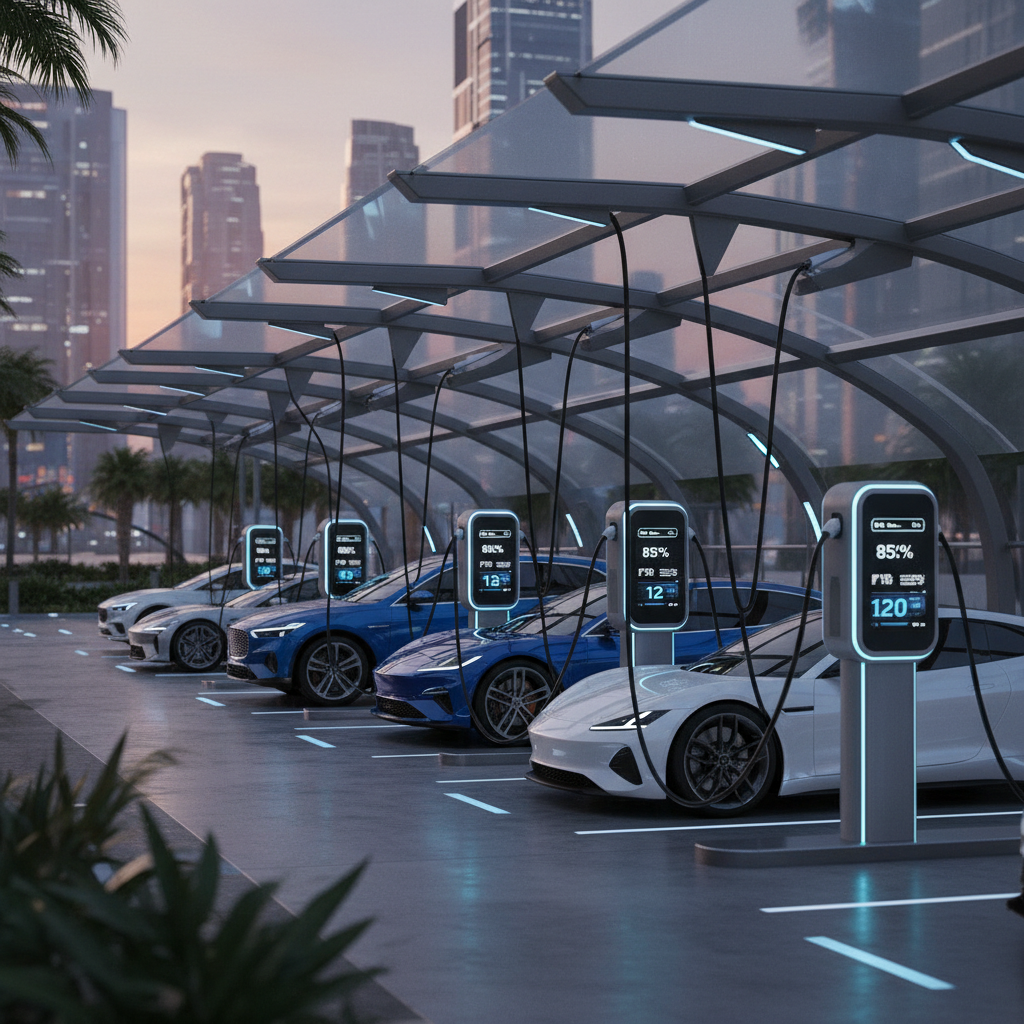
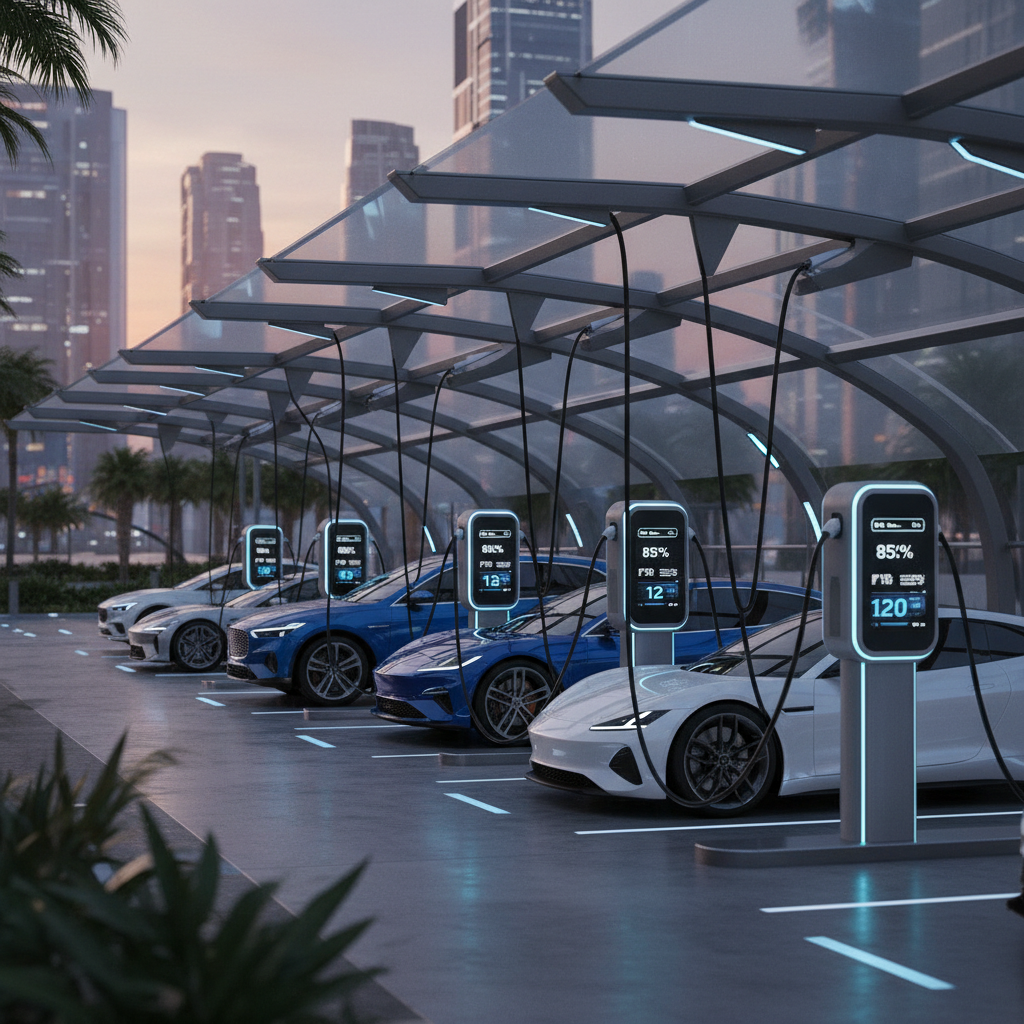
Charging access is a key determinant of EV adoption. More chargers—particularly fast chargers—reduce range anxiety and make long-distance travel practical. Public and private investment in charging networks, along with partnerships between automakers, utilities and site hosts, are expanding coverage in urban, suburban and corridor locations.
Home charging versus public networks
Most EV owners do the majority of charging at home, overnight on a Level 2 charger. For those without private parking, public charging access is crucial. Fast chargers (DC fast charging) serve long trips and higher-mileage drivers but require electrical upgrades and careful site planning to manage power demand.
Interoperability and user experience
Standardized plugs, reliable payment systems and clear signage improve usability. Networks that offer simple access, transparent pricing and real-time availability tend to see higher utilization and owner satisfaction.
Battery development: chemistry, cost and lifecycle
Batteries remain the heart of EV development. Manufacturers and suppliers are pursuing improvements in energy density, charging speed, safety and longevity while seeking raw material security and supply-chain resilience.
Chemistry and pack design
Advances in cathode and anode chemistries, along with cell-to-pack architectures, help reduce weight and cost per kilowatt-hour. Emerging approaches aim to increase usable range without proportionally increasing cost.
Recycling and second-life uses
End-of-life strategies—battery recycling and second-life stationary storage—are becoming part of manufacturers’ planning. Effective recycling reduces dependence on raw-material mining and can lower lifecycle environmental impact.
Consumer demand: who is buying and why it matters
Demand drivers are diverse: urban commuters, corporate fleets, city governments and environmentally motivated buyers all play roles. Fleet electrification—delivery, ride-hailing and municipal vehicles—can accelerate adoption by creating predictable, high-usage volumes that support infrastructure investment and supply chains.
Buyer considerations
- Driving patterns: daily mileage and access to charging will influence model choice.
- Budget and TCO expectations: some buyers prioritize lower monthly costs, others upfront savings.
- Usage profile: long-distance drivers need reliable fast-charging networks; urban drivers may prioritize compact models and efficiency.
Implications for car buyers
For buyers considering an electric vehicle today, practical steps help make an informed choice: estimate your real-world range needs, evaluate home and public charging options, compare TCO calculations and consider certified used EVs for lower entry cost. Those who can charge at home and drive moderate daily miles are likely to find EV ownership increasingly compelling.
Conclusion
The future of electric cars will be shaped by incremental technological improvements, evolving pricing dynamics, expanding charging infrastructure, ongoing battery innovation and varied consumer demand. For buyers, the immediate question is less about if electrification will continue and more about how these practical changes affect which vehicle makes the best economic and functional sense for their needs.