How EV Adoption Is Reshaping Local Automotive Markets
How EV Adoption Is Reshaping Local Automotive Markets
Electric vehicle adoption is changing how people buy, sell, service and use cars at the neighborhood level. As more drivers consider or choose electric vehicles, local automotive markets are adjusting in practical ways: inventory mixes shift, dealer operations evolve, charging becomes part of the real estate conversation, and competition reshapes around new value propositions. This article examines those changes with grounded examples and a focus on what local market actors need to know.


Shifts in Local Vehicle Inventories
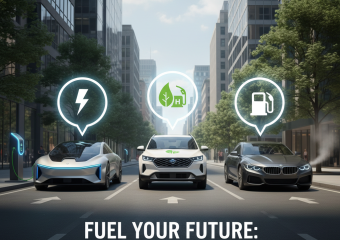
One of the most visible changes is inventory composition at dealerships and in the used-car market. New-car lots increasingly include a broader selection of battery-electric models alongside traditional internal-combustion options. At the same time, local used-car listings now show more EVs of varied ages and conditions.
That shift affects pricing and turnover. Dealers must manage battery-warranty records, educate sales staff on EV features, and account for different depreciation patterns. Independent used-car sellers likewise need to consider battery health, software update histories, and the availability of replacement parts when evaluating EVs.

Practical example
A suburban dealer that previously specialized in compact sedans may now allocate floor space to crossovers with electric powertrains. The store’s appraisal process expands to include state-of-charge tests and verifying manufacturer software updates before listing a trade-in.

Buyer Choices and Decision Factors
For buyers, local market dynamics shift the decision calculus. Range and charging access remain primary considerations, but other factors—such as home charging feasibility, local electricity costs, and access to incentives—play larger roles than they did a decade ago.
Buyers also compare total cost of ownership differently. Lower routine maintenance needs but potentially higher repair costs for some EV components change long-term expectations. Local resale demand and the availability of qualified service providers shape the perceived value of specific EV models.
Practical example
A family in a neighborhood with limited on-street parking may favor a plug-in hybrid or a longer-range EV only if a reliable workplace or public charging option exists nearby. Conversely, buyers with detached homes and garages are more likely to prioritize models compatible with home Level 2 charging.
Dealerships and Service Operations
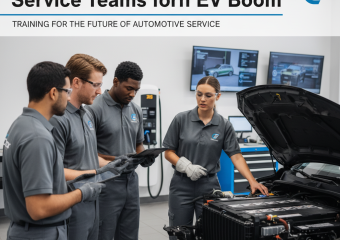
Dealerships face operational changes as EV adoption rises. Service bays must accommodate high-voltage systems and, in some cases, smaller brake and engine service workloads. Technicians require new certifications and diagnostic tools, and parts inventories change to reflect fewer oil and transmission parts and more battery- and inverter-related components.
Sales processes also adapt. Demonstrations of regenerative braking, charging setup, and infotainment integration become part of routine customer education. Finance and warranty products evolve to cover battery health and software support in ways that differ from gasoline vehicles.
Practical example
A regional dealer adds a dedicated EV service bay and partners with a local electrician to offer customers home-charger installation packages. Sales staff run through a charging plan during test drives, explaining range management in everyday use rather than focusing solely on horsepower or towing capacity.
Charging Needs and Local Infrastructure
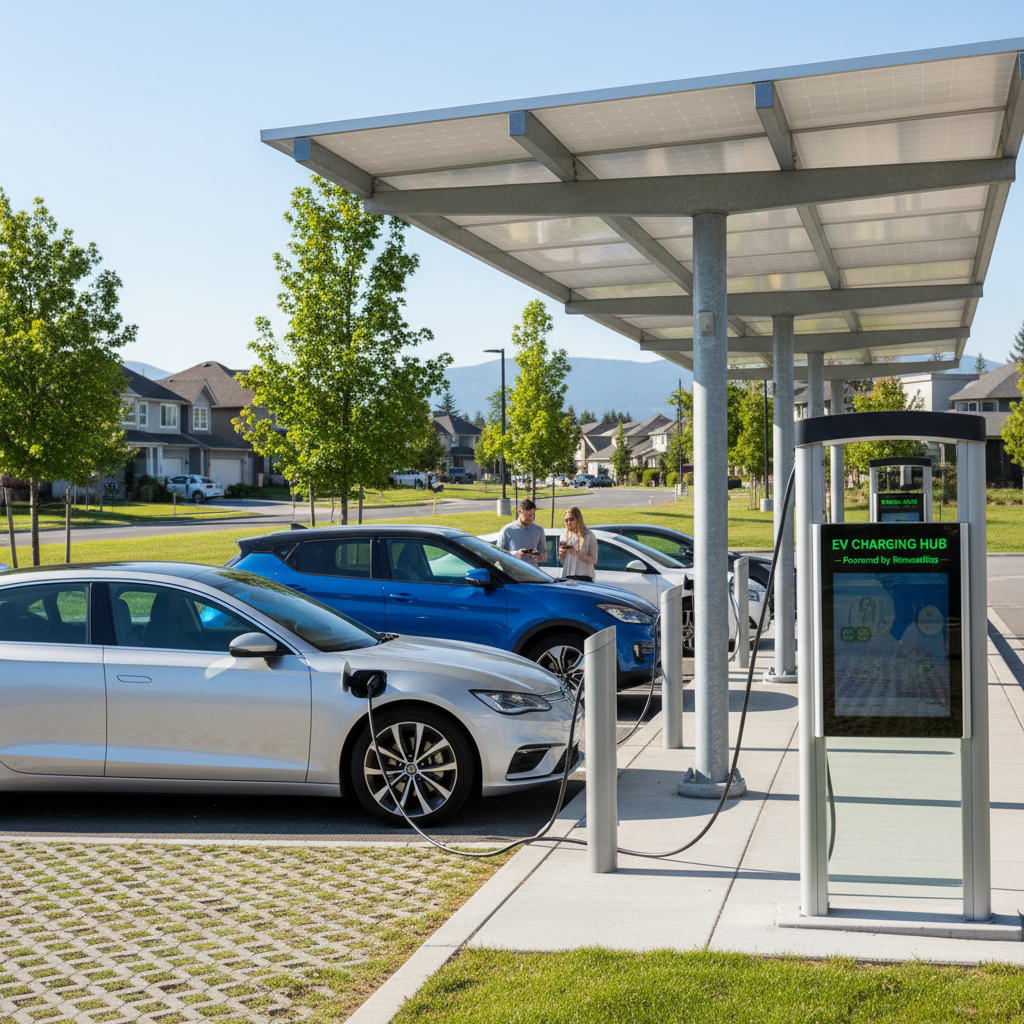
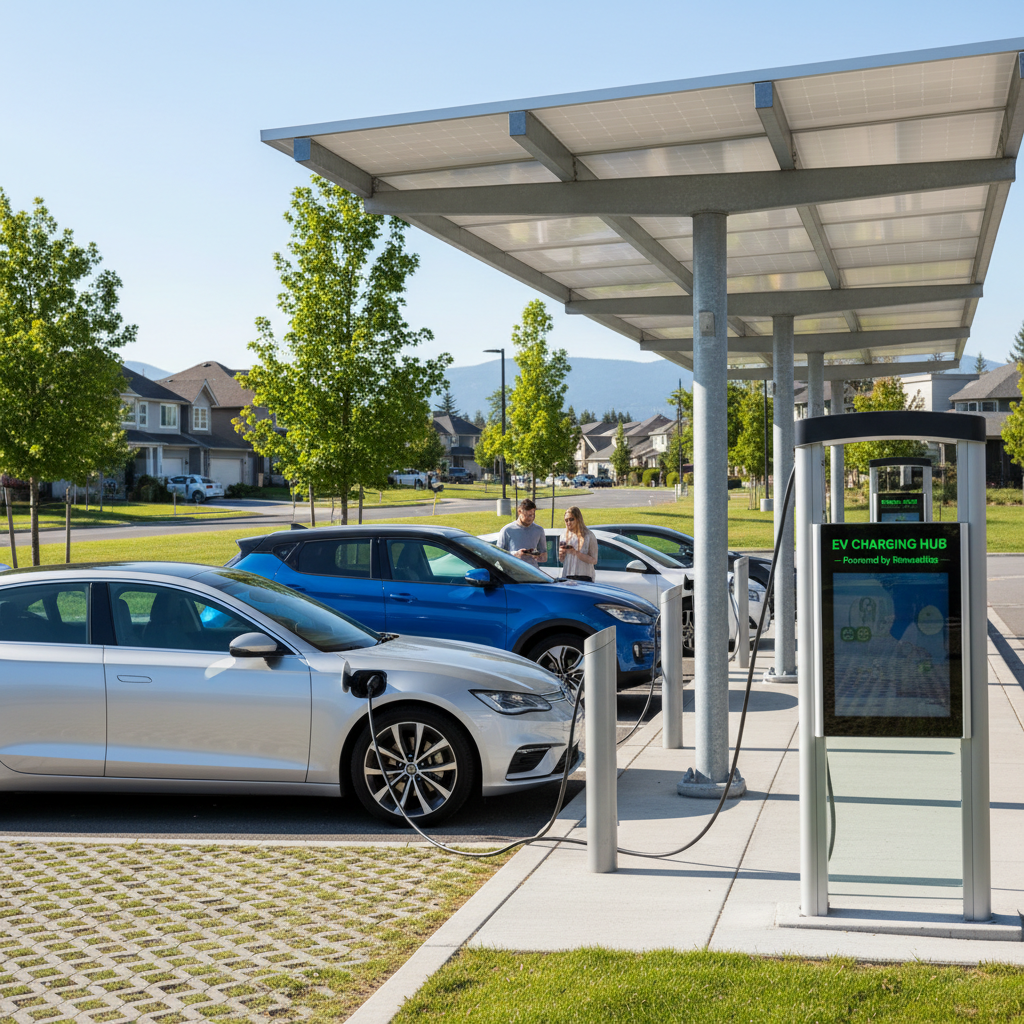
Charging is the infrastructure element most tightly tied to local market health. Where public charging and convenient home options are scarce, consumer adoption slows and used-EV demand softens. Conversely, visible charging availability—at malls, workplaces, and multi-family housing—supports greater buyer confidence.
Municipal planning and private investment intersect here. Local governments may adjust permitting and curb policies for chargers, while retailers and property owners assess whether adding chargers attracts customers or tenants.
Practical example
A commercial landlord retrofits a shopping-center parking area with several fast chargers to attract daytime EV drivers. Nearby dealerships note improved test-drive conversion when customers experience convenient public charging options during errands.
Competition and New Market Players
EV adoption changes competitive dynamics. Legacy automakers, EV-focused startups, third-party charger networks, and independent service shops all vie for local market share. This competition encourages new service models—subscription-based maintenance, mobile charging services, and EV-specific detailing—and alters marketing messages to emphasize software features, over-the-air updates, and charging ecosystems.
Practical example
An independent garage expands into EV maintenance to capture customers left underserved by traditional dealers. Meanwhile, a local used-EV retailer differentiates itself by providing transparent battery reports and flexible short-term rentals so buyers can test daily charging routines.
Conclusion
EV adoption is reshaping local automotive markets in concrete, measurable ways: changing inventories, influencing buyer priorities, forcing dealership operational shifts, creating new charging needs, and intensifying competition. For market participants—dealers, buyers, property owners, and service providers—the pragmatic response is preparation: invest in training, reassess real estate and charging plans, and communicate clearly about ownership realities. These adjustments help local markets adapt without overpromising change, focusing instead on practical steps that meet drivers’ needs today.