How to Evaluate a Used Car’s Total Cost Before Buying
Introduction to Used Car Ownership Costs
Buying a pre-owned vehicle is often a smart financial move, but looking only at the sticker price can lead to unexpected budget strain. The true financial commitment of vehicle ownership involves much more than the initial purchase amount. To ensure you make a sound investment, you need to evaluate a used car’s total cost before finalizing the deal. From recurring monthly bills to sudden maintenance surprises, factoring in every expense helps you choose a ride that comfortably aligns with your long-term financial reality.


Decoding the Purchase Price and Upfront Fees
The first step in evaluating a vehicle is understanding what goes into the upfront cost. Beyond the agreed-upon sales price, buyers must account for state taxes, vehicle registration, documentation fees, and dealer charges. If you are taking out an auto loan, financing terms will heavily influence your overall expenditure. A low sticker price paired with a high interest rate can ultimately cost far more over the life of the loan than a slightly pricier vehicle with favorable financing terms. Always look at the complete financing picture before signing any paperwork.
Calculating Ongoing Monthly Expenses
Once the vehicle is in your driveway, the recurring costs begin. These operational expenses dictate how much the car will really cost you month after month.

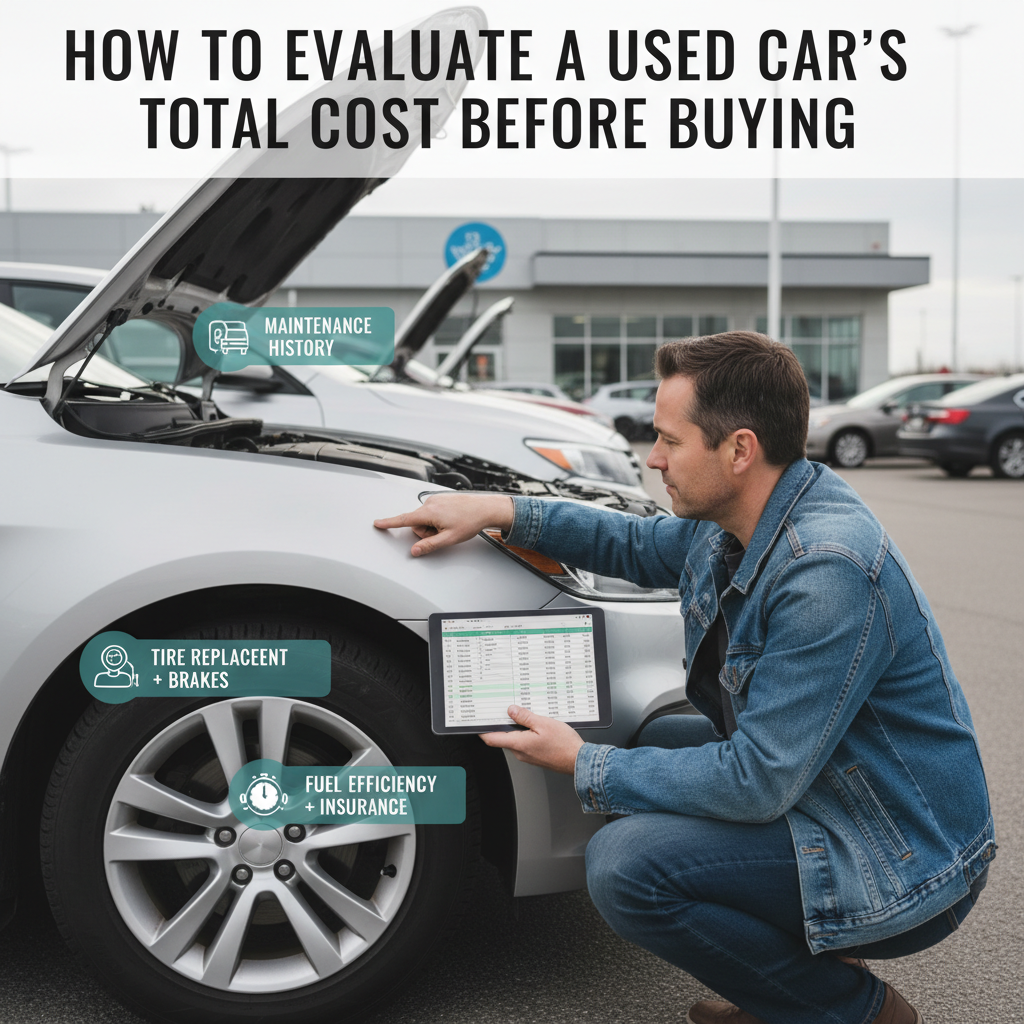
- Auto Insurance: Insurance premiums vary wildly depending on the car model’s safety ratings, theft rates, and your personal driving history. Always get a quote before purchasing.
- Fuel and Energy: Daily commuting costs depend directly on fuel economy. A gas-guzzling SUV will drain your wallet much faster than a hybrid or efficient sedan.
- Routine Maintenance: Regular oil changes, tire rotations, and brake replacements are inevitable parts of vehicle upkeep that should be budgeted for monthly.
Anticipating Repairs and Depreciation
Used cars carry history, and older models inevitably require unexpected repairs. Setting aside an emergency repair fund ensures that a broken alternator or a suspension issue does not derail your finances. Furthermore, consider depreciation. While pre-owned cars have already experienced the steepest drop in value, they continue to depreciate over time, which impacts your future trade-in or resale value. Taking all these hidden and long-term variables into account ensures total peace of mind on the road.