AI in the Auto Industry: What Dealers and Buyers Need to Know
Driving Into the Future: Artificial Intelligence in Automotive
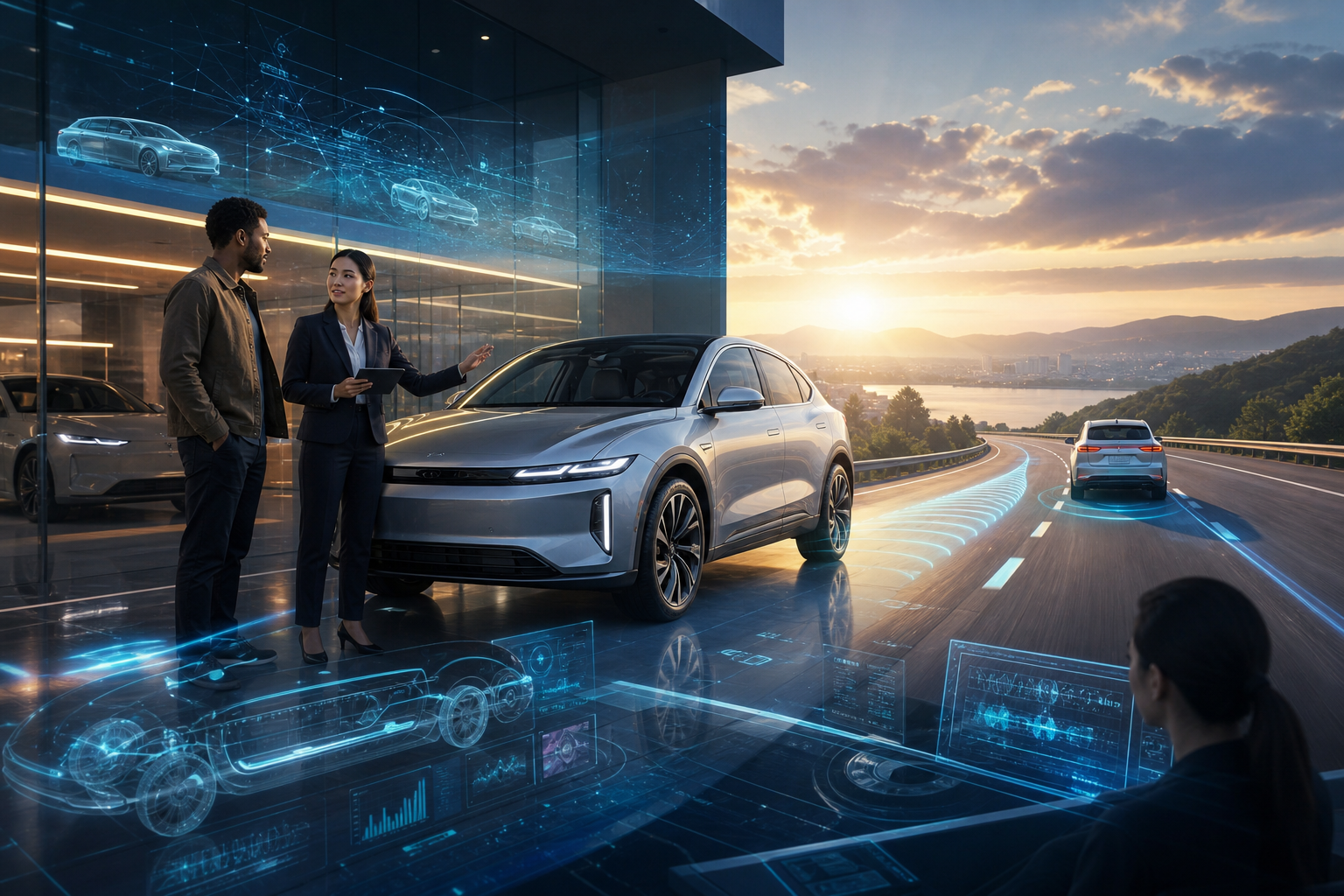
Artificial intelligence is no longer just a buzzword confined to tech hubs and science fiction; it is rapidly becoming the driving force behind the modern automotive ecosystem. From the showroom floor to the open highway, machine learning algorithms and smart automation are fundamentally reshaping how vehicles are bought, sold, and experienced. For both auto dealerships and everyday consumers, this technological revolution brings a wave of unprecedented opportunities alongside complex challenges that require careful navigation.


As dealerships look for ways to stay competitive in a fast-paced market, integrating smart tech has become essential. Similarly, buyers now expect a seamless, digital-first journey that mirrors the convenience of online shopping. Let us explore how these shifts are impacting both sides of the automotive equation.
Opportunities for Auto Dealers
Dealerships are finding that embracing automation can drastically improve operational efficiency and customer satisfaction. By leveraging advanced data analytics, sales teams can move away from guesswork and rely on predictive insights.

Streamlining Sales and Marketing
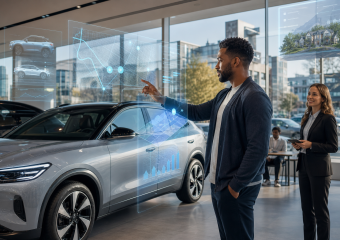
Modern showrooms are utilizing intelligent CRM systems to track customer preferences and behavior patterns. Instead of sending generic promotions, sales associates can deliver personalized vehicle recommendations based on a buyer’s specific driving habits, budget, and lifestyle needs. Furthermore, conversational chatbots deployed on dealership websites can handle routine inquiries 24/7, booking test drives and answering financing questions even when the physical showroom is closed.

Optimizing Inventory and Service Operations
Beyond the sales floor, smart inventory management tools help dealers analyze regional market trends to stock the right mix of vehicles. In the service department, predictive maintenance software can alert dealerships when specific car parts are likely to fail, allowing them to proactively reach out to customers for timely repairs, boosting customer loyalty and service revenue.
Opportunities for Consumers
For car buyers, the integration of automation translates to a safer, more transparent, and highly personalized driving experience.
Enhanced Safety and Autonomous Features
Advanced Driver Assistance Systems powered by machine learning algorithms act as an extra set of eyes on the road. Features like adaptive cruise control, lane-keeping assist, and automated emergency braking significantly reduce the risk of human error. As fully autonomous vehicles inch closer to mainstream adoption, the everyday commute is poised to become much less stressful.
A Smoother Shopping Experience
Gone are the days of high-pressure negotiation tactics dominating every dealership visit. Consumers can now use online configurators powered by intelligent algorithms to build their dream car, secure financing pre-approval, and evaluate trade-in values transparently from their living rooms.
Navigating the Challenges
Despite the glowing benefits, this technological shift is not without its hurdles. Dealerships face steep upfront costs when adopting new software ecosystems, and staff members require ongoing training to master these digital tools effectively. There is also the constant challenge of maintaining a human touch in an increasingly automated sales funnel; buyers still value authentic human connection when making a major financial investment.
For consumers, the primary concerns revolve around data privacy and security. Smart vehicles constantly collect vast amounts of telemetry and personal data, raising legitimate questions about who owns that information and how it is protected against cyber threats. Additionally, the rising complexity of computerized vehicle components means that routine repairs can sometimes carry a heftier price tag.
The Road Ahead
The intersection of machine learning and the automotive world presents a thrilling horizon. For dealerships willing to adapt and consumers eager to embrace smarter mobility, the rewards far outweigh the growing pains. By striking the right balance between digital innovation and human oversight, the auto industry can drive toward a safer, more efficient future.