AI in the Auto Industry: Opportunities & Challenges
Introduction to Artificial Intelligence in Motoring
Artificial intelligence is no longer just a sci-fi concept; it is actively reshaping every corner of the automotive world. From the assembly lines where vehicles are built to the showroom floors where they are sold, smart technology is redefining how the industry operates. For both car dealerships and everyday buyers, this digital transformation brings a fascinating mix of groundbreaking opportunities and notable hurdles. Whether you are looking to buy a new vehicle or manage a multi-location dealership, understanding this shift is crucial.


The Dealer Perspective: Driving Sales and Streamlining Operations
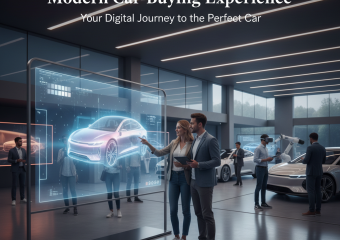
Dealerships are finding that embracing machine learning and automation can dramatically improve their bottom line. By leveraging advanced data analytics, sales teams can predict customer preferences with remarkable accuracy, ensuring that the right vehicles are marketed to the right buyers.
Enhanced Inventory Management
Gone are the days of relying solely on gut feeling when ordering stock. Predictive tools analyze regional buying trends, seasonal demands, and historical sales data to help managers optimize their inventory. This minimizes the risk of holding unpopular models and maximizes profit margins.

Personalized Customer Service and Chatbots
Virtual assistants powered by natural language processing now handle initial customer inquiries 24/7. These tools can schedule test drives, answer detailed specification questions, and pre-qualify buyers before a human salesperson even steps in, creating a smoother and faster journey for the consumer.

The Consumer Experience: Safety, Convenience, and Connectivity
For drivers, the integration of smart systems into modern cars translates to a vastly superior driving experience. Vehicles are becoming rolling computers capable of learning driver habits and preferences over time.
Advanced Driver Assistance Systems (ADAS)
Safety is perhaps the most celebrated benefit for consumers. Features like adaptive cruise control, lane-keeping assist, and automated emergency braking rely on real-time computer vision and sensor fusion to prevent accidents before they happen.
Infotainment and Predictive Maintenance
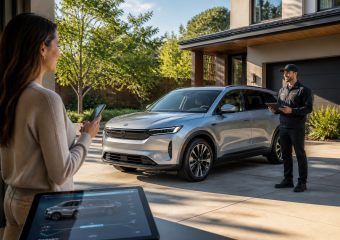
Modern cabin tech anticipates what you need, from suggesting your favorite podcast to automatically routing around traffic jams. Furthermore, diagnostic algorithms monitor engine health and notify drivers of potential mechanical failures long before a breakdown occurs, saving money on costly repairs.
Navigating the Challenges Ahead
Despite the immense potential, this technological leap comes with serious challenges that both dealers and consumers must navigate.
Data Privacy and Security Concerns
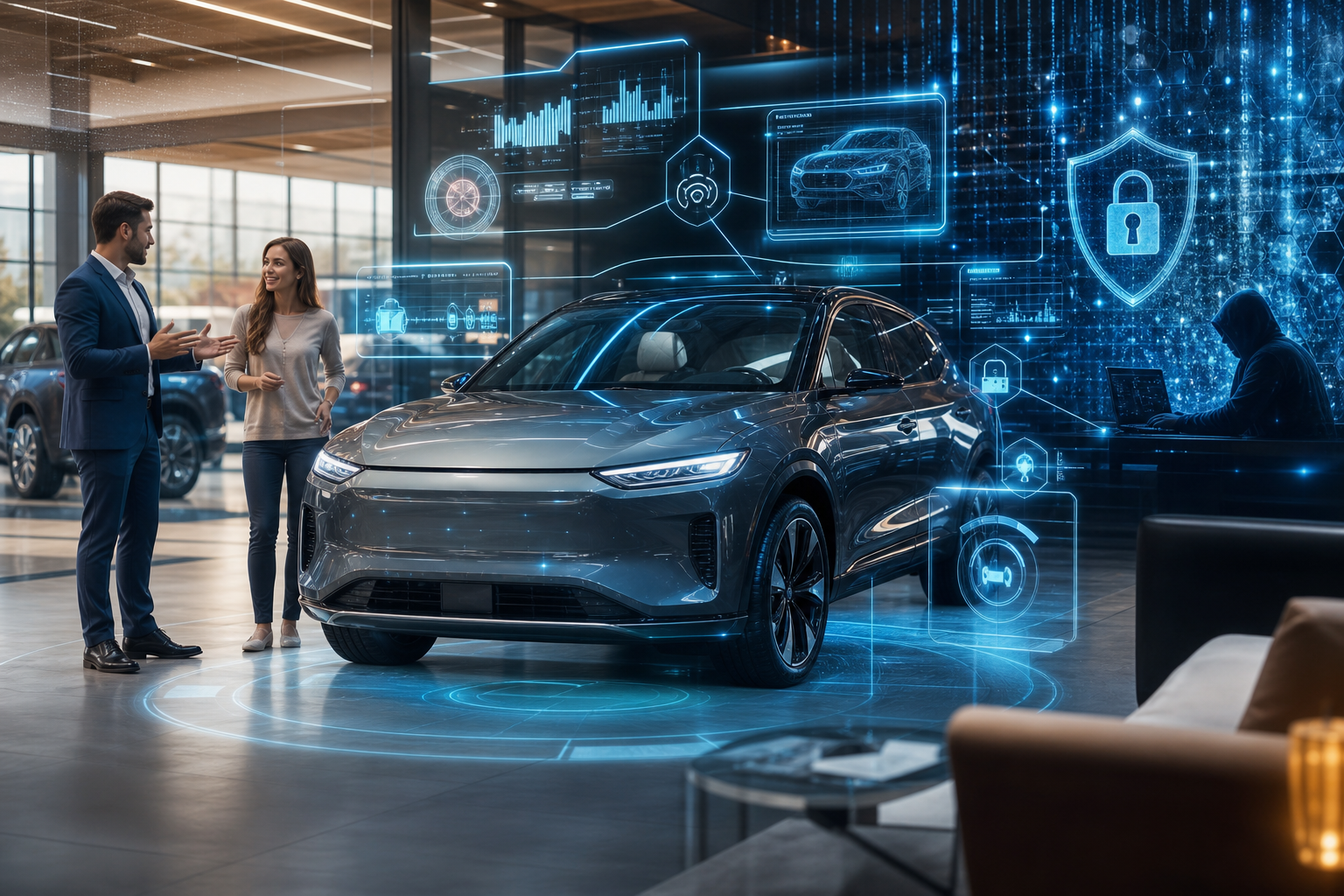
As vehicles collect vast amounts of personal data—ranging from driving routes to biometric information—the risk of cyberattacks and privacy breaches increases exponentially. Dealerships and manufacturers must invest heavily in robust cybersecurity measures to protect user trust.
High Costs and the Human Element
For independent dealerships, implementing sophisticated software can be prohibitively expensive. Additionally, relying too heavily on automation risks alienating customers who still crave a personal touch when making a major financial investment.
Conclusion
The road ahead for the automotive sector is undeniably driven by intelligent automation. While dealerships must balance efficiency with personal connection, consumers need to weigh high-tech convenience against data privacy risks. Ultimately, finding the right equilibrium will determine who succeeds in this fast-evolving landscape.