How AI Is Changing the Way Americans Buy Vehicles
Why AI Is Changing the Way Americans Buy Vehicles
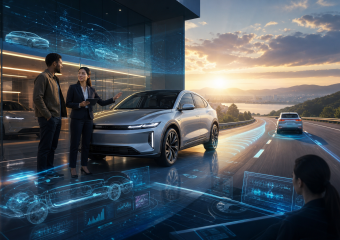
Buying a vehicle has traditionally meant visiting dealerships, comparing window stickers, negotiating prices, and spending hours with sales representatives. Today, artificial intelligence is reshaping nearly every step of that process. From personalized recommendations to instant financing estimates, AI is making vehicle shopping more convenient, data-driven, and customized for American consumers.


The shift is not limited to luxury buyers or tech enthusiasts. Mainstream shoppers are increasingly using digital tools to research cars, compare offers, evaluate ownership costs, and even complete purchases online.
Personalized Vehicle Recommendations
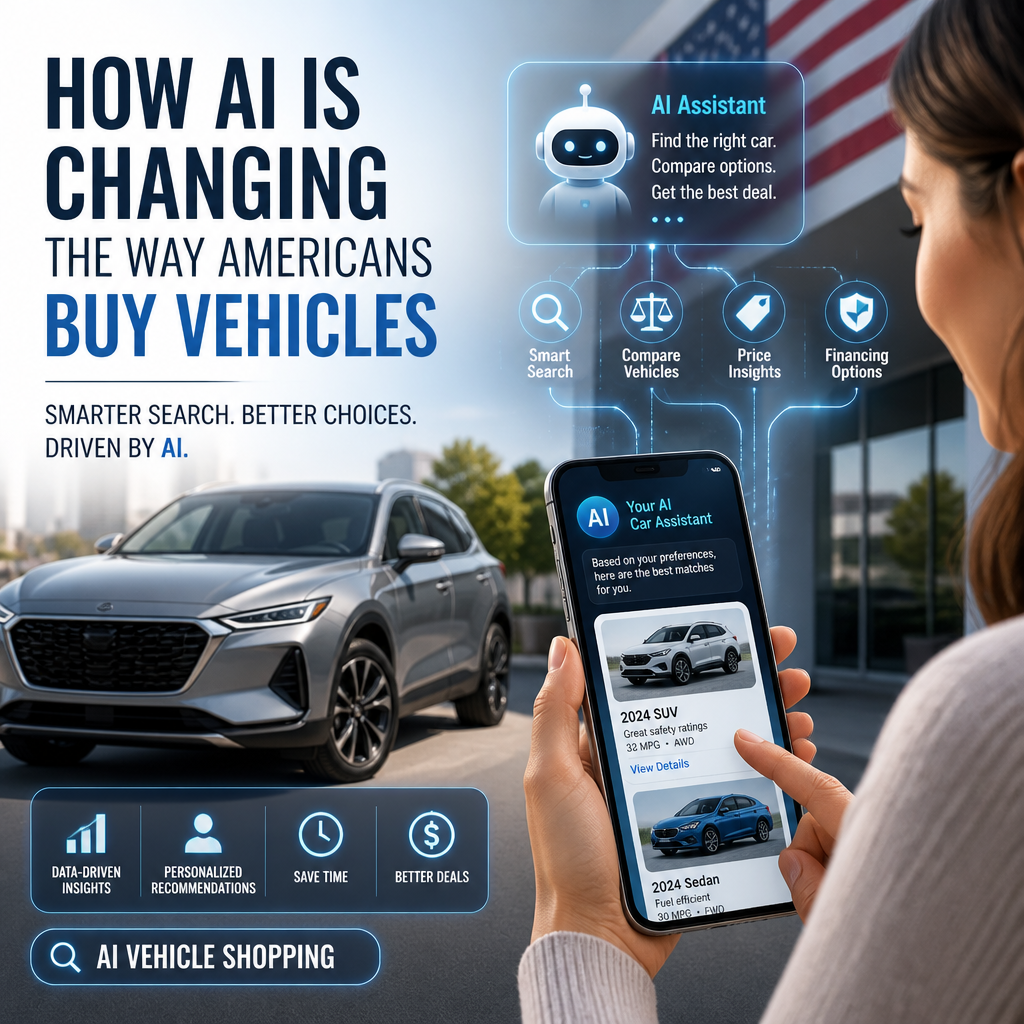
One of the biggest ways AI is changing vehicle shopping is through personalization. Instead of browsing hundreds of listings, buyers can answer questions about their lifestyle, budget, driving habits, and preferences. AI systems then analyze that information to suggest vehicles that may be a strong match.

For example, a family that frequently travels long distances may receive recommendations for fuel-efficient SUVs with advanced safety features. A city driver might be shown compact cars, hybrids, or electric vehicles that are easy to park and inexpensive to operate.

These recommendations can consider factors such as:
- Budget and preferred monthly payment
- Fuel economy and charging needs
- Passenger and cargo space
- Driving history and typical commute
- Safety ratings and technology features
- Local inventory and regional pricing
This approach saves time and helps shoppers discover models they might not have considered on their own.
Faster and Smarter Research
Vehicle research can be overwhelming. Buyers must compare trim levels, warranties, incentives, reliability ratings, insurance costs, and long-term maintenance expenses. AI-powered platforms can organize and summarize this information in a way that is easier to understand.
A shopper may ask a virtual assistant to compare two SUVs or explain the difference between several trim packages. Instead of searching through multiple websites, the buyer can receive a straightforward overview of key advantages, limitations, and expected ownership costs.
AI can also identify patterns in large amounts of consumer data. It may highlight common complaints, frequently praised features, or models with strong resale values. While shoppers should still verify information through trusted sources, these tools make the research process more efficient.
More Transparent Pricing
Negotiating with dealerships has long been one of the most stressful parts of buying a vehicle. AI is helping consumers approach pricing with more information and confidence.
Digital tools can compare advertised prices across dealerships, track local market trends, and estimate whether a vehicle is priced above or below the regional average. Some platforms also analyze incentives, dealer fees, trade-in values, and financing offers.
This increased transparency may reduce the information gap between dealerships and customers. Buyers can enter negotiations with a clearer understanding of a fair price rather than relying entirely on sales pitches or limited market knowledge.
AI-powered valuation tools are also improving trade-in estimates. By analyzing vehicle condition, mileage, location, and current demand, these systems can provide a more realistic starting point for a trade-in conversation.
A More Convenient Buying Experience
Many Americans now expect the same convenience from vehicle shopping that they receive from online retail. AI supports this expectation by helping consumers complete more steps remotely.
Depending on the dealership or marketplace, shoppers may be able to:
- Browse personalized inventory recommendations.
- Calculate monthly payments.
- Upload documents for financing.
- Receive an estimated trade-in value.
- Schedule a test drive or delivery.
- Complete much of the purchase online.
Chatbots and virtual assistants are available at any hour, allowing buyers to ask questions without waiting for business hours. AI can also help dealerships respond more quickly to inquiries, making the overall process faster for both sides.
The Growing Role of Electric Vehicles
AI is particularly valuable as consumers consider electric vehicles. EV shoppers often have questions about battery range, charging access, electricity costs, incentives, and long-term ownership expenses.
AI tools can compare a driver’s daily commute with estimated vehicle range, identify nearby charging stations, and calculate potential fuel savings. They may also explain how weather, driving speed, and battery age can affect performance.
As more Americans evaluate the transition from gasoline-powered vehicles to electric models, this type of personalized analysis can make an unfamiliar purchase feel more manageable.
Challenges and Consumer Concerns
Despite its advantages, AI is not perfect. Recommendations may reflect incomplete or inaccurate data, and some systems may prioritize sponsored listings or dealership interests. Consumers should also be cautious when sharing personal, financial, or location information.
AI should serve as a research and decision-making aid rather than a replacement for careful judgment. Buyers should verify vehicle history reports, inspect cars independently, review financing terms, and take test drives when possible.
The Future of Vehicle Buying
Artificial intelligence is making vehicle shopping more personalized, transparent, and convenient. As the technology improves, buyers may receive even more accurate recommendations, real-time pricing insights, and customized ownership projections.
The traditional dealership is unlikely to disappear entirely, but its role is changing. Instead of beginning the buying journey there, many consumers will arrive after completing research, comparisons, and financial planning online.
For American vehicle shoppers, AI is turning a once complicated process into a more informed and flexible experience—one that puts better tools and more control in the hands of the buyer.