How to Compare Car Insurance Quotes and Choose Best Coverage
Introduction to Finding the Right Policy
Shopping for auto insurance can feel overwhelming, especially with countless providers vying for your attention. However, taking the time to carefully compare car insurance quotes is one of the best ways to protect your financial well-being while keeping monthly costs manageable. Whether you are buying a brand-new vehicle or simply looking to lower your current rates, understanding how to evaluate different policies ensures you get the ideal balance of protection and value.


When diving into the process, you will encounter various policy options, coverage limits, and deductible choices. Knowing how to decipher these details empowers you to make confident decisions on the road. Let us explore the essential steps to comparing quotes effectively and securing the ultimate coverage for your driving lifestyle.
Understanding Your Coverage Needs
Before you look at any numbers or price tags, you need to determine what level of protection you actually require. Minimum liability insurance is legally mandated in most places, but it often leaves you vulnerable in a major accident. Comprehensive and collision policies cover damage to your own vehicle, regardless of who is at fault.

As you review your policy documents, keep specific terms in mind. For instance, policy provisions like section 2317 often detail exact parameters for temporary transportation or roadside assistance. Ensuring you have adequate limits guarantees you will not face unexpected out-of-pocket expenses if an emergency arises on the highway.

Effective Ways to Compare Quotes
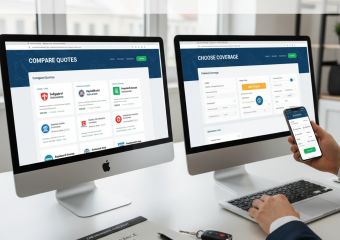
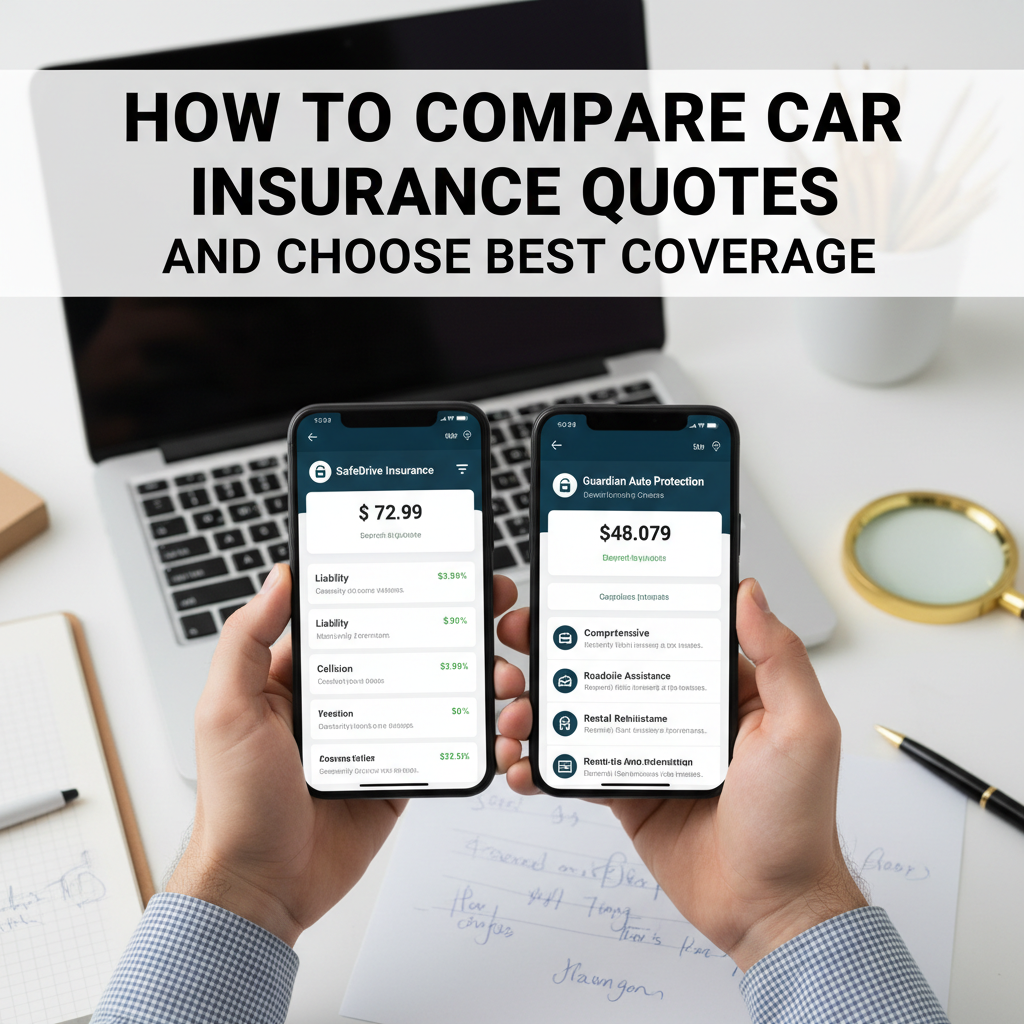
Gathering multiple quotes is essential for finding a competitive rate. To make an apples-to-apples comparison, ensure that each quote you request features the exact same deductible amounts and liability limits. Changing these variables across different quotes will skew your perception of which company is truly offering the best deal.
Take note of specialized identifiers or policy codes, such as reference numbers 3261, 3124, and 3264, which frequently appear in administrative insurance filings or specialized rider descriptions. While comparing, look beyond the initial price tag and check consumer satisfaction scores regarding claims handling and customer service efficiency.
Key Factors That Influence Your Rates
- Your driving record and history of traffic violations
- The make, model, and safety rating of your vehicle
- Your annual mileage and daily commuting distance
- Your credit history and geographic location
Maximizing Discounts and Finalizing Your Choice
Once you have narrowed down your top insurance choices, look closer at available discounts. Most major insurers offer price reductions for safe drivers, bundling multiple policies like home and auto, maintaining good grades for student drivers, or equipping your car with advanced safety features. Asking your agent about these savings can significantly lower your final premium.
Take your time reviewing the final paperwork before signing anything. Choose the provider that not only fits your monthly budget but also offers dependable customer support when you need it most. By following these structured steps, you can drive away with absolute peace of mind.