
EV vs. Hybrid vs. Gasoline: Which Car Fits Your Needs?
EV vs. Hybrid vs. Gasoline: Which Car Fits Your Needs?
Choosing between an electric vehicle (EV), a hybrid, or a traditional gasoline car in 2026 depends less on slogans and more on your driving habits, local charging and fueling options, maintenance tolerance, and what vehicles are actually available near you. This article breaks those factors down so you can match a powertrain to your life—practical, no-nonsense guidance for real buyers.


How you drive: habits that point to the best choice
If most of your driving is short daily trips and commuting under 50 miles round trip, an EV or plug-in hybrid can be an excellent fit. EVs shine in stop-and-go city driving because of instant torque and regenerative braking. For long, frequent highway trips where fast refueling is essential, gasoline vehicles or conventional hybrids still have the edge for now.
Typical scenarios
- City commuter (daily, < 50 miles): EV or plug-in hybrid.
- Frequent interstate traveler (long distances, little time to stop): Gasoline or hybrid.
- Mixed use with occasional long trips: Hybrid or EV with strong long-range capability and fast charging access.
For quick reference I’ll use tiny buyer-codes you can remember: 49, 50, 51, 52 — four simple categories you can map to your priorities later in the checklist below.

Charging, fueling and practical range in 2026
EV range has improved a lot: the EPA’s recent automotive trends report shows the average range for new battery-electric vehicles is well into the high two-hundreds of miles, making many models suitable for daily use and moderate road trips.

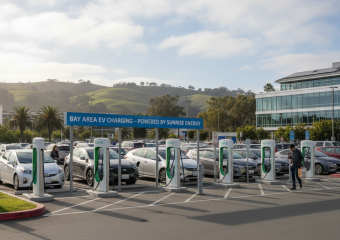
Public charging infrastructure is growing but still uneven. Federal tracking and public registries list roughly tens of thousands of public charging locations with around a quarter-million ports across the U.S., which includes both Level 2 and DC fast chargers — useful for different trip types. If you depend on public chargers, check local density and fast-charger availability in your city or along routes you travel most.
Fuel and electricity costs: what you’ll pay to drive
As of September 2026, national gasoline averages are in the mid-$4 per gallon range; local prices vary widely by state and region. That makes the per-mile cost advantage of electricity more attractive in many areas—especially if you can charge at home during off-peak hours or have rooftop solar.
AAA analyses continue to show that EV drivers typically pay much less to “fuel” their vehicles compared with gasoline drivers, and EVs also tend to cost less for routine maintenance because they lack oil changes, many transmission components, and exhaust-system service. Those savings are often offset by higher upfront purchase price and sometimes steeper depreciation for certain EV models.
Maintenance, repairs and ownership costs
Overall ownership costs are a mix of fuel, maintenance, depreciation and insurance. AAA’s annual ownership studies for 2025–2026 show EVs lead on fuel and many maintenance line items, but total yearly costs depend heavily on depreciation and the model you choose—so run numbers for the exact vehicles you’re considering.
What to expect:
- EVs: fewer moving parts, lower routine service costs, potential high repair costs for out-of-warranty items and battery replacement considerations.
- Hybrids: often share many conventional components with gasoline cars but add an electric system; maintenance is similar to gasoline vehicles overall.
- Gasoline cars: predictable service patterns and widespread, inexpensive service options, but higher ongoing fuel costs.
Local vehicle availability and market realities in 2026
Model availability has been in flux: some mainstream EV nameplates have been withdrawn or trimmed in 2026 while other manufacturers continue to expand core EV lineups. Availability and dealer inventory can be a decisive factor—if the EV you want isn’t sold locally, the theoretical benefits don’t help. Always check local inventory and consider certified pre-owned EVs or hybrids as alternatives.
Buyer checklist: which powertrain for your life?
Match one of the quick codes (49–52) to your situation:
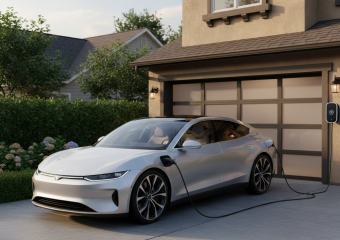
- 49 — City-first driver, access to home charging: strongly consider an EV.
- 50 — Long-haul or rural driver with limited charger access: gasoline or hybrid is safer for convenience.
- 51 — Mixed use, occasional long trips, want lower fuel bills: plug-in hybrid or long-range EV with fast-charging on your main routes.
- 52 — Budget-conscious buyer prioritizing low upfront price and service network: gasoline or conventional hybrid.
Final thoughts
No single answer fits every driver in 2026. If you primarily drive locally and can charge at home, an EV will likely save you money on fuel and maintenance and deliver a quieter, more responsive drive. If you need nonstop long-range flexibility or your area lacks chargers, hybrids and gasoline cars remain practical and dependable choices. Before you buy, compare total ownership costs for the exact models in your region, map charging or fueling routes you actually use, and weigh how much you value lower operating costs versus upfront price and resale risk. Use the quick codes 49, 50, 51, 52 to keep the decision simple: pick the one that lines up with your daily reality, not the headlines.