Bay Area Car Market 2026: Prices, Trends & Buyer Guide
Bay Area Car Market 2026: Prices, Trends and What Local Buyers Should Know
The Bay Area car market in 2026 is shaped by high transaction prices, constrained used-vehicle supply, rising interest-rate sensitivity and shifting electrified-vehicle demand. This article summarizes current, verifiable data for the San Francisco Bay Area and California, and separates reported facts from practical analysis so local buyers can make clearer decisions.


Market snapshot: headline figures buyers should know
Reported fact: national new-vehicle average transaction prices are at historically high levels — Kelley Blue Book estimated the average new-vehicle transaction price passed $50,000 in 2025 and remained elevated into 2026.
Reported fact: on the used side, industry measures show average dealer listing prices in 2026 near the mid-to-high $20,000 range (Cox Automotive/Kelley Blue Book reported the average used-vehicle listing around $26,900 in mid-2026). Inventory on dealer lots has been tighter than long-run norms, which has supported those prices.

Prices and inventory across the Bay Area
Reported fact: Bay Area sales and local fees matter. California state and local sales-and-use tax rates vary by city and county; Bay Area combined rates commonly fall in the high single digits to low double digits depending on the municipality. Buyers should expect different sales-tax amounts depending on whether they buy in San Francisco, Oakland, San Jose or a neighboring city. The California Department of Tax and Fee Administration publishes city- and county-level rates, effective April 1, 2026.

Analysis: in practice this means a modest difference in out-the-door cost when comparing two nearby cities. On a $40,000 purchase, half a percentage point of local tax equals $200; a full percentage difference equals $400. For Bay Area buyers, shopping across county lines or comparing dealer quotes that show the tax line item will often save more than haggling over a few hundred dollars on sticker price.
Used versus new: the affordability math
Reported fact: used-vehicle prices rose in 2026 versus early-2025 levels and remain materially higher than pre‑pandemic norms; many buyers are seeing average used listings near $27,000. Wholesale indices have moved upward at times in 2026 as supply and credit trends fluctuate.
Analysis: for Bay Area buyers the arithmetic matters. A typical three-year-old used vehicle may cost substantially less than a comparable new model, but financing rates, warranty coverage and expected maintenance should be part of the comparison. If you plan to keep a vehicle multiple years, total cost of ownership (depreciation, insurance, registration and repairs) is as important as monthly payment.
Financing: rates and what buyers should expect
Reported fact: lender interest rates moved with broader credit conditions in 2026. Industry reporting and Experian’s Q2 2026 finance data showed average new-car loan rates in the mid-single digits to low‑single-digit-to-mid‑single-digit range depending on term and credit score, with used-car loan rates higher (used-vehicle rates are meaningfully above new-car rates for many borrowers). Bankrate and Experian data in 2026 indicate new‑car APRs roughly in the 6–7% band on average while used-car APRs were noticeably higher; exact offers depend heavily on credit score and term.
Analysis: if you are financing, get pre‑approved by a credit union or bank before visiting a dealer. Compare the APRs and the total finance charge — long terms cut monthly payment but increase total interest paid. Consider a shorter term if the monthly budget allows; the Bay Area’s high purchase prices make the interest component substantial over 60–72 months.
EVs, hybrids and charging in the Bay Area
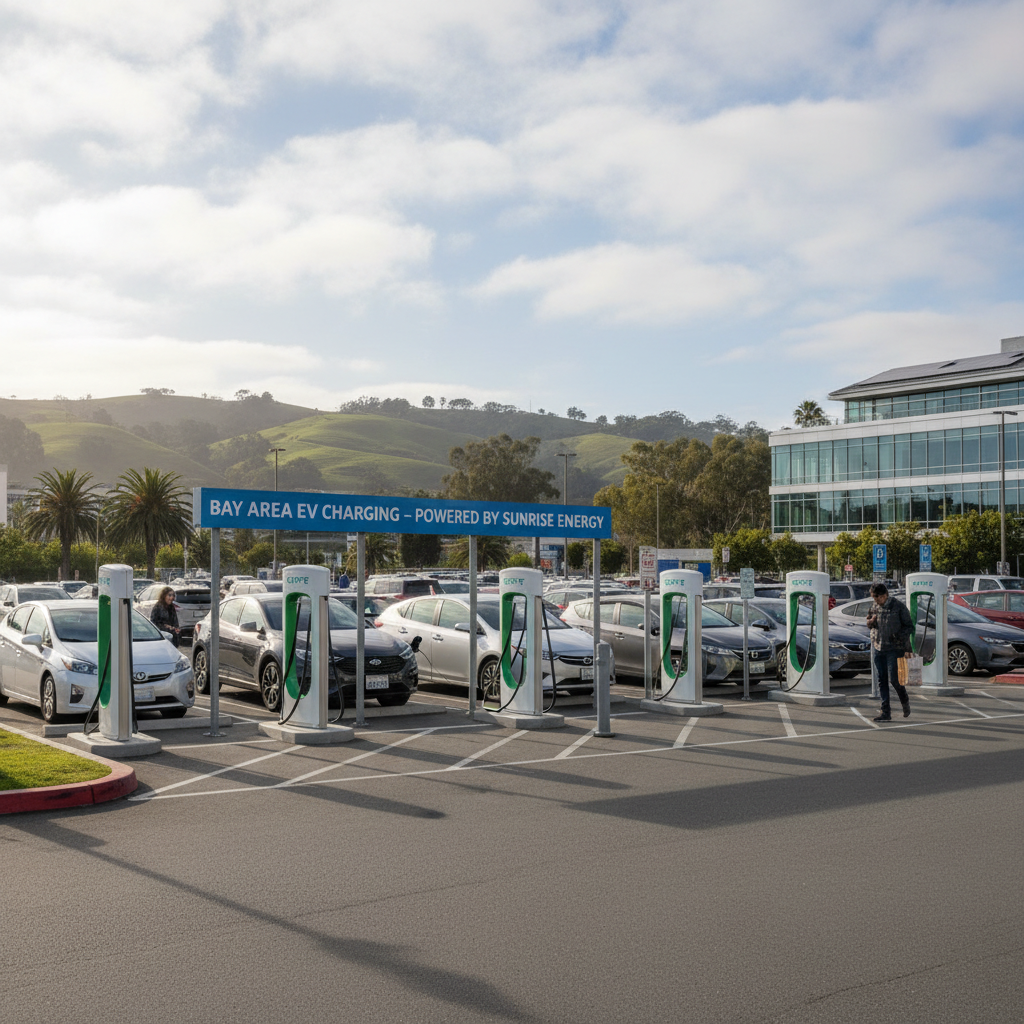
Reported fact: California remains the nation’s largest market for zero‑emission vehicles, and state data show cumulative ZEV registrations and continuing public investment in charging infrastructure; the California Energy Commission reported milestone ZEV figures and funding allocations for 2025–2026. Industry reporting in 2026 also showed hybrid registrations rising and in some months outpacing pure battery-electric registrations.
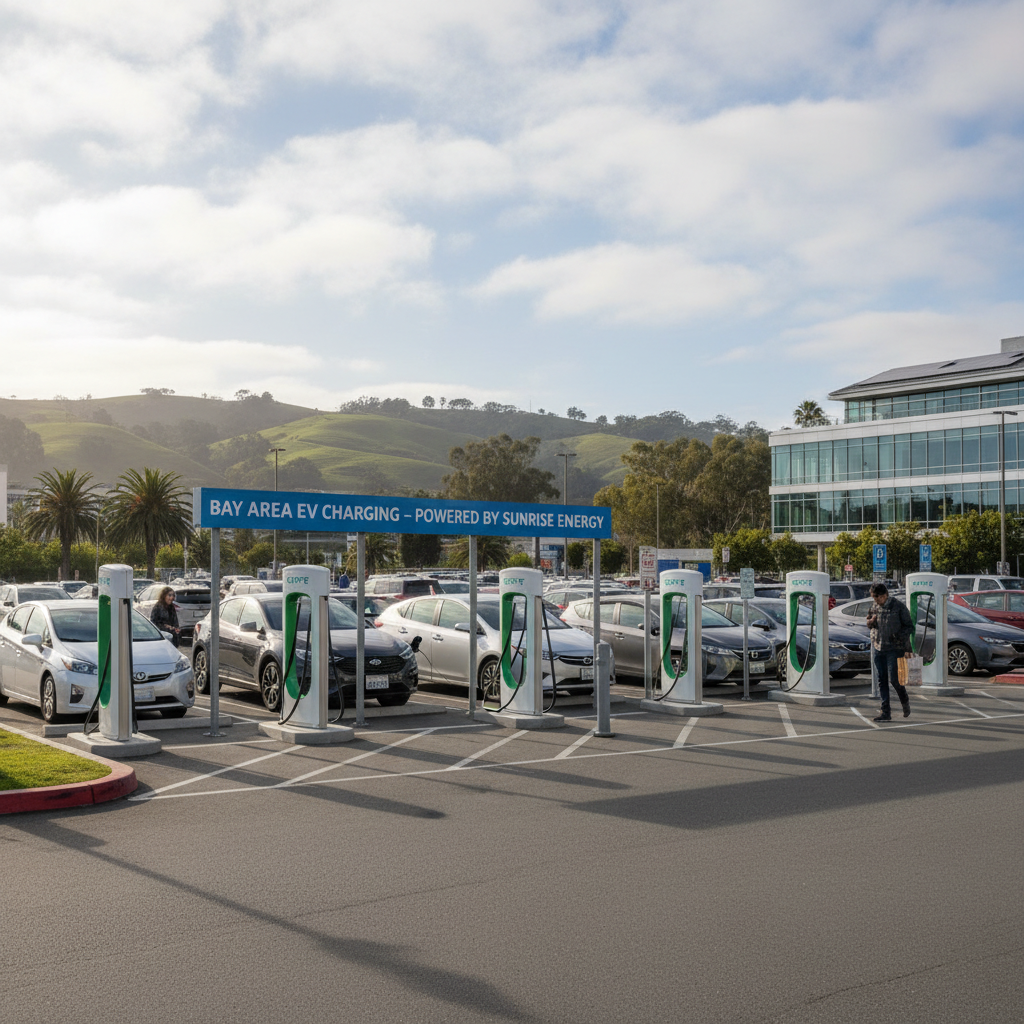
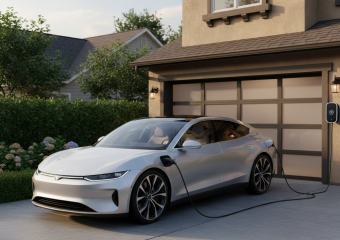
Analysis: for Bay Area buyers, an EV can make sense if you have reliable overnight charging (home or workplace) and drive patterns that match available range. If you lack home charging or regularly park on the street, a hybrid or fuel‑efficient gas vehicle will often give lower total transaction and ownership friction today.
Total transaction costs: what to budget beyond the sticker
Reported fact: in California, total transaction costs typically include the purchase price, local sales tax, DMV registration and licensing fees (including the vehicle license fee and other state fees), documentation fees and any optional dealer add‑ons. The California DMV provides a registration‑fee calculator buyers can use to estimate registration and licensing charges for a specific vehicle.
Analysis: build a 10–12% buffer into your out‑the‑door budget for taxes, registration and routine add‑ons (insurance and first‑year registration can push this higher). For EV buyers, expect some registration differences and, in many areas, additional road‑use or infrastructure fees that are increasingly visible at renewal.
Practical checklist for Bay Area buyers
- Get a pre‑approval and compare APRs (credit unions often offer competitive terms).
- Check the exact sales‑tax rate for the city where the vehicle will be registered using CDTFA tools.
- Use the California DMV fee calculator to estimate registration and VLF.
- Compare new vs used total ownership costs for your planned ownership horizon (3 years, 5 years, etc.).
- Confirm home or workplace charging access before committing to an EV purchase.
Bottom line
Reported facts show elevated new‑vehicle transaction prices and firm used‑vehicle listing prices in 2026, plus financing that varies widely with credit score.
Analysis: Bay Area buyers should plan for higher out‑the‑door costs than several years ago, shop across nearby markets to compare sales tax and inventory, and prioritize pre‑purchase homework — finance quotes, DMV fee estimates and, for EVs, charging access. That preparation is the best hedge against sticker shock and buyer’s remorse in 2026.