How Extreme Weather Impacts EV Battery Performance
Electric vehicles are rapidly transforming the way we think about transportation, offering a clean and efficient alternative to traditional combustion engine cars. However, as more drivers make the switch, a common question arises regarding how external environmental factors influence everyday usability. Specifically, understanding how extreme weather can affect electric vehicle battery performance is vital for anyone navigating freezing winters or blistering summer heatwaves. Lithium-ion batteries rely on complex internal chemical reactions, and these processes are heavily influenced by ambient temperatures.


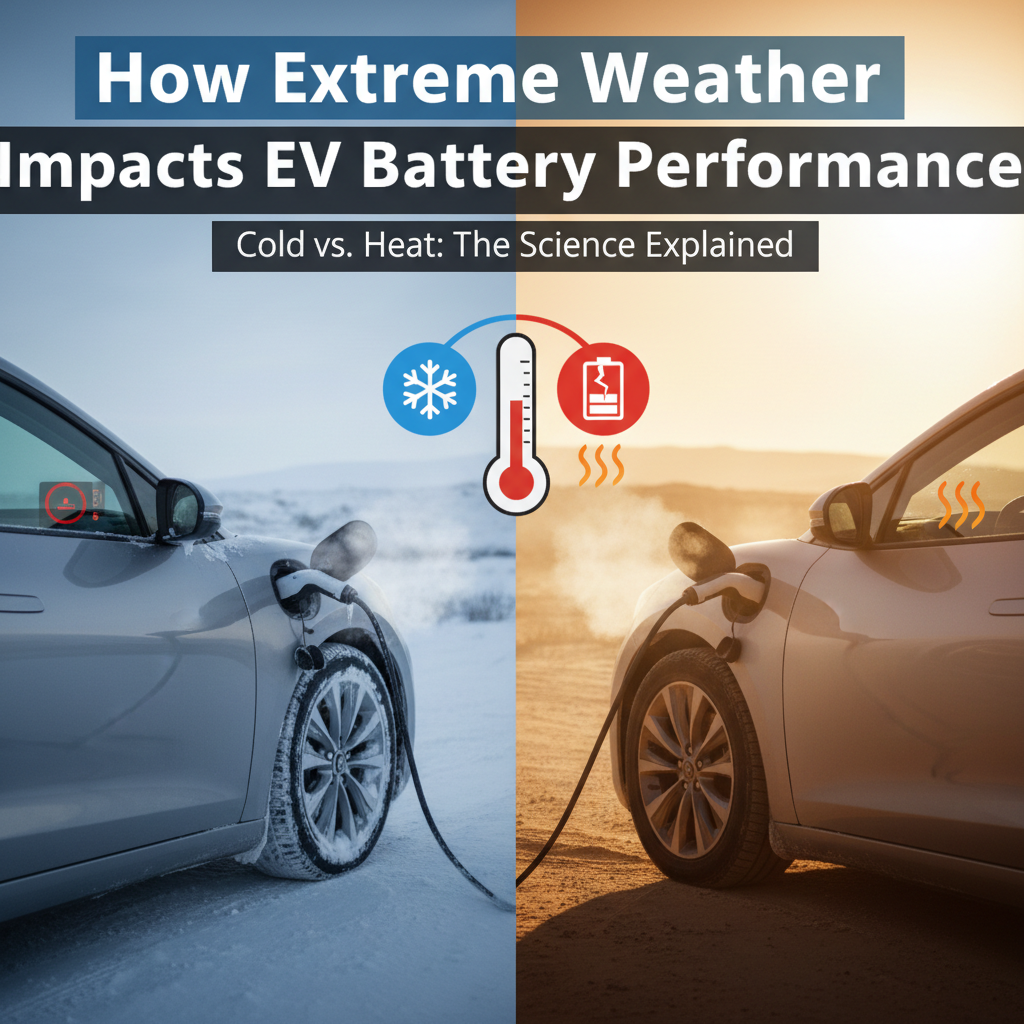
When the thermometer drops below freezing, the chemistry inside a standard lithium-ion pack begins to slow down significantly. This sluggishness restricts the flow of electrons, reducing both the overall power output and the total driving range. Furthermore, drivers turn on cabin heaters and seat warmers, which draw a substantial amount of energy directly from the main pack. Combined with the energy required to warm up the battery cells themselves, winter driving can temporarily reduce a vehicle’s driving range by a notable margin. Charging times can also stretch out as the onboard management system deliberately limits current intake to protect cold cells from damage.
The Hidden Toll of Summer Heatwaves
While cold weather grabs headlines for reducing day-to-day driving distance, excessive heat presents a different kind of challenge. High ambient temperatures do not suppress chemical activity; instead, they accelerate it. Prolonged exposure to intense heat can degrade internal components faster, gradually diminishing the overall health and capacity of the pack over time.

- Active cooling systems work overtime to keep cells within a safe operating zone.
- Running high-powered air conditioning drains extra auxiliary energy, lowering efficiency.
- Fast charging in hot conditions can trigger safeguards that throttle charging speeds.
Without sophisticated thermal regulation, cars subjected to consistently hot climates often experience faster capacity loss than those driven in moderate regions.

Smart Strategies for All-Weather Driving
Fortunately, automotive engineers have developed advanced solutions to protect modern powertrains. Most contemporary electric cars feature active liquid thermal management systems that either heat or cool the cells automatically. Drivers can also adopt smart habits to mitigate weather-related efficiency drops.
Practical Tips to Protect Your Range
Utilizing preconditioning features while your car is still plugged into a home charger allows the vehicle to warm up or cool down the cabin and battery using grid power rather than stored battery energy. Parking in a garage during peak temperature hours further shields the vehicle from harsh environmental extremes. By understanding these climate impacts and utilizing built-in vehicle technologies, owners can ensure reliable performance and extend the lifespan of their investment regardless of what the forecast predicts.