What Drivers Should Know About Modern Vehicle Cybersecurity
Introduction to Connected Cars
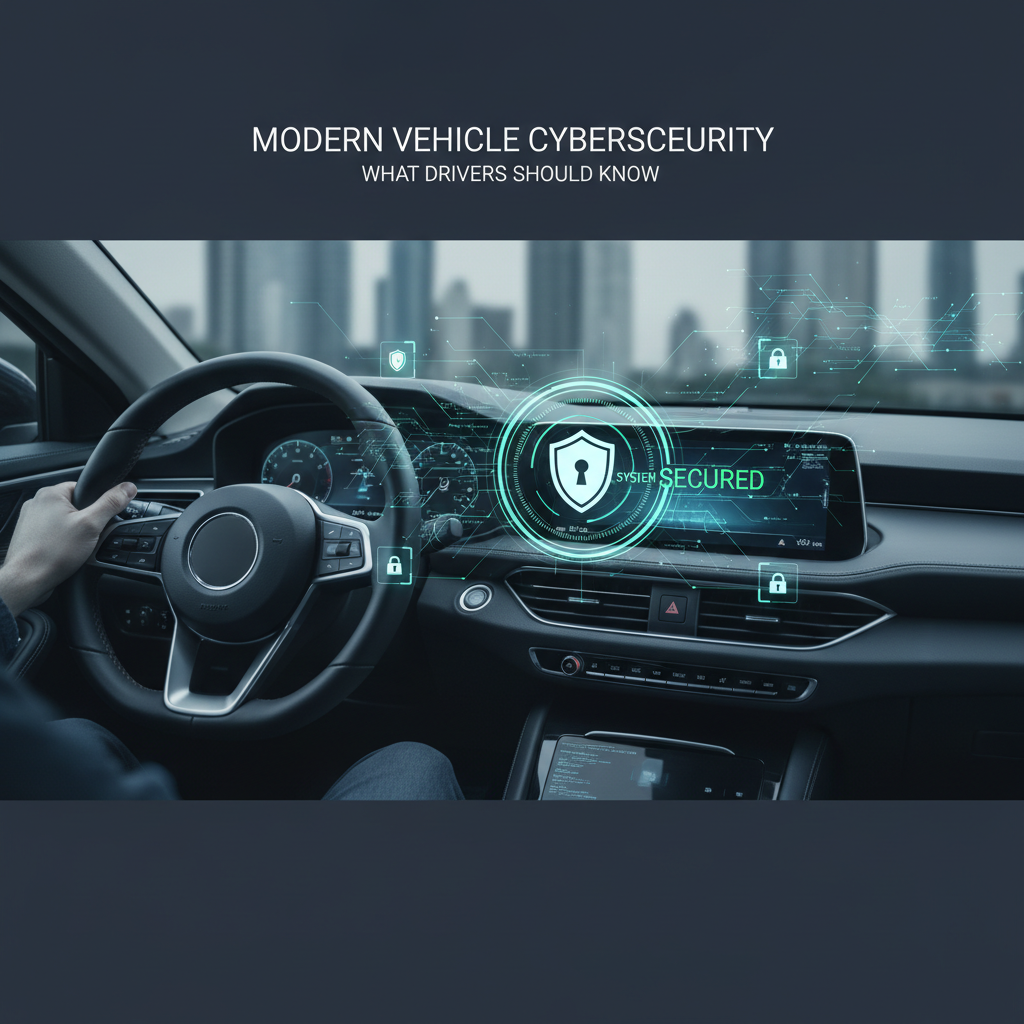
Remember when cars were purely mechanical machines? Today, vehicles are essentially computers on wheels, packed with advanced technology designed to make our drives safer, more efficient, and infinitely more entertaining. From Bluetooth integration and smartphone apps to advanced driver-assistance systems and over-the-air software updates, modern cars are constantly connected to the digital world. While this evolution brings incredible convenience, it also introduces a critical new responsibility for vehicle owners: understanding modern vehicle cybersecurity. As cars become smarter, they also become potential targets for digital threats.


Understanding the Risks
When most people think about car security, they think of physical theft prevention, steering wheel locks, or alarm systems. However, digital vulnerabilities operate entirely differently. Modern cars feature multiple electronic control units that manage everything from braking and steering to climate control and entertainment. These systems often communicate internally through a network called a CAN bus, and they connect externally via cellular networks, Wi-Fi, short-range key fob signals, and Bluetooth.
Security researchers have demonstrated over the years that malicious actors can potentially exploit these external access points. While physical hijacking by remote hackers remains relatively rare and usually requires extensive, targeted effort, lesser attacks such as key fob signal relay theft or malicious smartphone app exploits are increasingly common. If an attacker gains unauthorized digital access, they could potentially manipulate vehicle settings, steal personal data stored in the infotainment system, or even interfere with critical driving functions.

Common Vulnerabilities in Everyday Driving
Drivers interact with digital touchpoints every single day without realizing the security implications. Here are some of the most common pathways where digital risks arise:

- Infotainment Systems: Pairing your smartphone or downloading third-party apps can expose personal contact lists, location histories, and text messages if the system is compromised.
- Key Fobs: Traditional keys have been replaced by smart keys that emit continuous radio signals, making them vulnerable to relay attacks where criminals amplify the signal to unlock and start a vehicle parked in your driveway.
- Connected Smartphone Apps: Many manufacturers offer companion apps that allow you to lock, unlock, or start your car remotely. If your account credentials are weak, unauthorized users could gain control of these functions.
- Third-Party OBD-II Devices: Insurance dongles or tracking devices plugged into the diagnostic port can sometimes introduce security loopholes if they lack proper encryption.
Best Practices for Protecting Your Vehicle
Fortunately, keeping your car secure does not require a degree in computer science. By adopting a few proactive habits, you can significantly reduce your digital risk profile and enjoy your connected car with peace of mind.
Keep Software Updated
Just like your smartphone or home computer, your car relies on software that requires periodic patches. When manufacturers release over-the-air updates or issue recall notices for software fixes, make sure to install them promptly. These updates often patch newly discovered security flaws.
Manage Your Data and Permissions
Take time to explore your car’s infotainment settings. Delete old smartphone pairings, wipe your address book or navigation history before selling or trading in the vehicle, and carefully review what permissions you grant to connected apps.
Secure Your Digital Keys
Store your key fobs in signal-blocking Faraday pouches when you are at home to prevent relay attacks. Additionally, use strong, unique passwords for any manufacturer mobile apps and enable multi-factor authentication whenever it is available.
The Road Ahead
The automotive industry is evolving rapidly, and manufacturers are investing heavily in robust cybersecurity frameworks to protect consumers. However, vehicle safety is a shared responsibility. By staying informed about digital vulnerabilities and practicing good cyber hygiene, drivers can navigate the modern roadways safely, keeping both physical and digital threats firmly in the rear-view mirror.