Why Vehicle Condition Data Is the New Currency of Car Buying
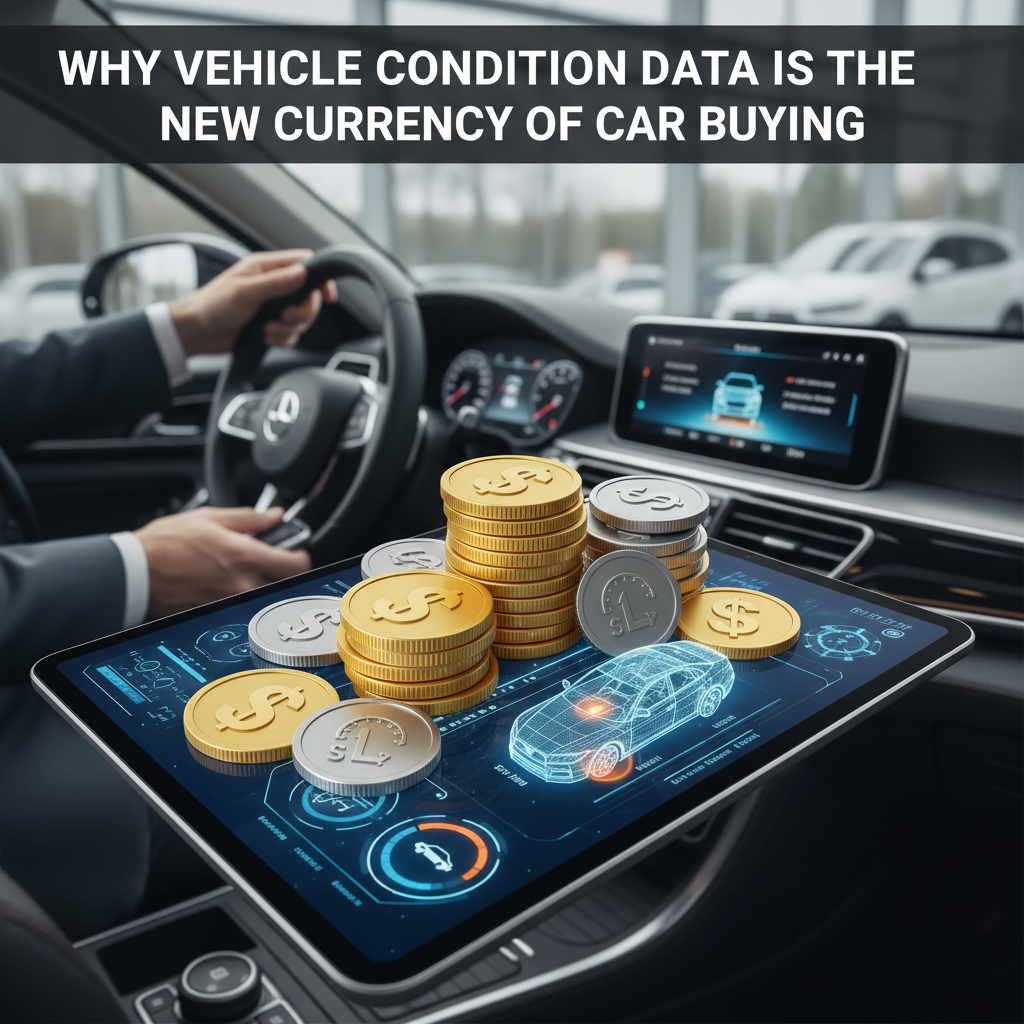
For decades, purchasing a used car felt a bit like rolling the dice. Buyers relied heavily on glossy photos, a quick test drive, and the word of a salesperson. Today, however, the automotive landscape is undergoing a massive transformation. In the modern digital marketplace, vehicle condition data has officially become the new currency of car buying, dictating trust, value, and transparency in ways we have never seen before.


The Shift from Haggling to Hard Data
Gone are the days when price was determined solely by year, make, model, and mileage. While those factors still matter, they only tell part of the story. Modern consumers want to know the intricate history and current mechanical health of a potential purchase before they commit their hard-earned money. With the rise of advanced telematics, comprehensive digital inspection reports, and historical tracking, buyers have unprecedented access to granular details about how a car was driven, maintained, and serviced.
This shift has fundamentally altered how dealerships and private sellers operate. Transparency is no longer just a nice-to-have feature; it is a core market requirement. Sellers who can provide detailed, verified condition data command higher prices and sell their inventory much faster than those relying on vague descriptions.

What Makes Up Modern Condition Data?
Vehicle condition data is a multi-layered asset. It encompasses everything from routine oil change histories and insurance claims to real-time sensor diagnostics and battery health metrics for electric vehicles. Key components include:

- Comprehensive digital inspection sheets covering body, interior, and undercarriage.
- Diagnostic trouble codes (DTCs) pulled directly from the onboard computer.
- Verified maintenance records stored securely on digital ledgers.
- Environmental exposure history, such as flood or hail risk tracking.
Empowering Buyers in the Digital Age
The transition toward data-driven purchasing has dramatically tilted the power dynamic in favor of the consumer. Online car-buying platforms allow shoppers to compare multiple vehicles side-by-side, not just by price, but by their overall health scores. Armed with comprehensive condition insights, buyers can sidestep hidden mechanical nightmares and negotiate with absolute confidence.
Furthermore, remote purchasing has accelerated this trend. When a buyer purchases a vehicle sight-unseen from hundreds of miles away, data is the only bridge of trust. Detailed third-party inspection data acts as a digital guarantee, reducing buyer remorse and minimizing costly post-purchase disputes.
The Future of Automotive Commerce
As vehicle technology continues to evolve, the value of condition data will only increase. Connected cars are constantly generating real-time telemetry, creating an ongoing ledger of a vehicle’s life cycle. For both buyers and sellers, embracing this data-centric approach is no longer optional. Ultimately, vehicle condition data has redefined currency in the automotive world, proving that transparency and trust are the most valuable commodities on the market.