Best Questions to Ask Before Buying an Electric Vehicle
Best Questions to Ask Before Buying an Electric Vehicle
Switching to an electric vehicle (EV) is a major purchase that affects daily routines, household infrastructure and long-term costs. This guide lists the practical, technical and financial questions every buyer should ask before signing a purchase agreement, explained in plain language and with real-world examples.


1. How far will it actually go on a charge?
Official range figures are a useful starting point, but real-world range depends on weather, driving speed, load and accessory use (heating or air conditioning). Ask for expected range under conditions similar to your daily use—highway commuting vs. city driving.
Practical example
If the EPA-rated range is 300 miles, expect lower highway range at sustained 75 mph or in cold winter conditions. Plan for a buffer: many owners target 20–30% of battery capacity as a practical reserve.

2. What charging options do I have at home and on the road?
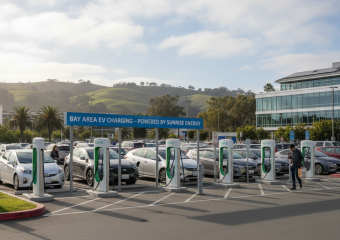
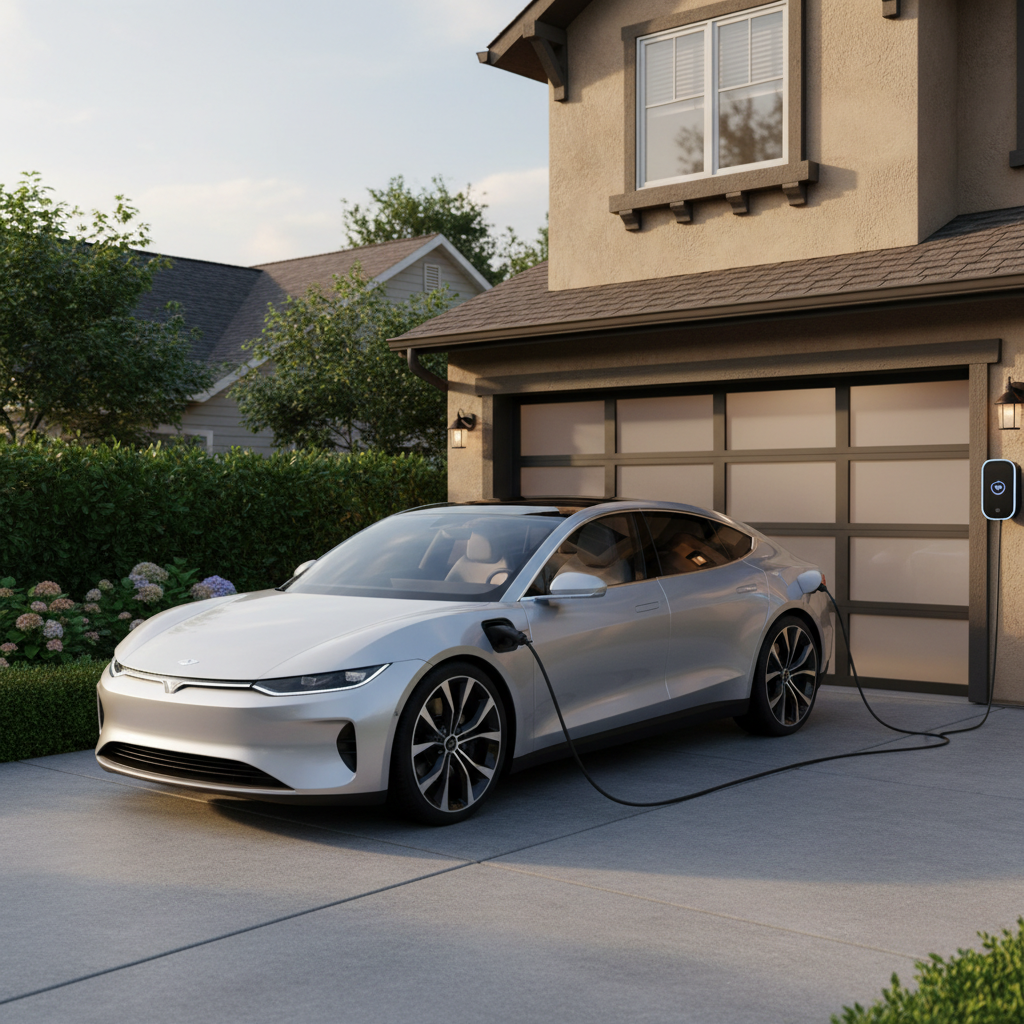
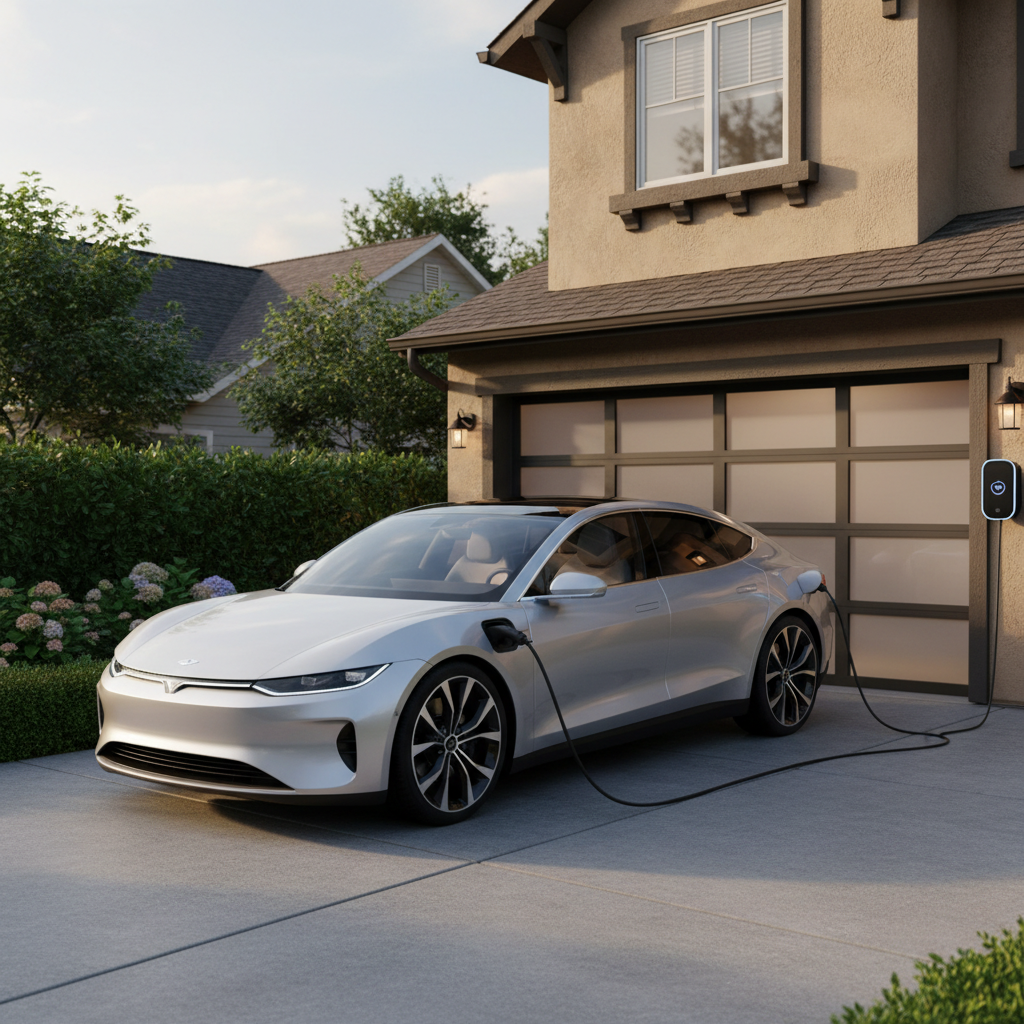
Understand the difference between Level 1 (120V), Level 2 (240V) and DC fast charging (high-power public chargers). Level 1 uses a standard outlet and is slow; Level 2 is typical for home installations and can fully charge most EVs overnight. DC fast charging adds range quickly on long trips but can be limited by station availability and the vehicle’s charging curve.

Questions to ask a dealer or seller
- What is the maximum DC fast-charge rate (kW) the vehicle accepts?
- Is a Level 2 charger included or available as an option?
- Do you offer an estimate for home charger installation cost in my ZIP code?
3. How long does the battery warranty last and what does it cover?
Battery warranties vary by manufacturer. Common elements include coverage for capacity loss below a specified threshold and protection for defects. Ask for the warranty terms in writing and for examples of warranty claims processed by the manufacturer.
4. What is the expected total cost of ownership?
Beyond sticker price, compare fuel (electricity) costs, maintenance, insurance, and projected battery replacement or major repairs. EVs generally have lower routine maintenance (no oil changes, fewer moving parts) but can incur higher repair costs for specialized components.
How to estimate
- Calculate electricity cost per mile from your local kWh rate and the vehicle’s kWh/100 miles figure.
- Include likely home charger installation and any utility demand charges.
- Factor in federal, state or local incentives, and how they affect net purchase price.
5. How does the vehicle handle charging behavior and software updates?
Some EVs allow scheduled charging, departure preconditioning (warming or cooling the cabin while plugged in), and over-the-air software updates that can add features or change charging profiles. Confirm how these systems work and whether they require a subscription.
6. What are the implications for towing, payload and cargo?
If you tow a trailer or carry heavy loads, confirm the vehicle’s rated towing capacity and how towing affects range. Payload limits and roof load ratings are also important for frequent cargo use.
7. What safety and driver-assistance features are included?
Ask about standard and optional safety systems: automatic emergency braking, lane-keeping assist, blind-spot monitoring, and how driver-assist features behave at highway speeds or in poor weather. Clarify whether advanced features require ongoing subscriptions.
8. What is the resale value and support network?
Electric vehicle resale values are influenced by brand reputation, battery health and market demand. Ask dealers for historical trade-in estimates and check the availability of qualified service centers in your area.
Buyer Checklist: Quick Questions to Ask Before Buying
- What is the real-world range for my typical routes?
- Which charging levels does the car support and what is the max kW for fast charging?
- Is a Level 2 charger included? What is the estimated cost to install one at home?
- What exactly does the battery warranty cover and for how many years/miles?
- Are software updates and connected services subscription-based?
- How does towing or heavy payload affect range and warranty?
- What safety systems are standard, and are any driver-assist features optional?
- Are there local incentives or tax credits I can apply to this purchase?
- Where can I get service and what is the typical wait time for repairs?
Final notes
Buying an EV requires combining technical understanding with practical lifestyle planning. Use the questions above during test drives and when speaking with dealers or private sellers. Collect written answers and compare models on the same criteria—range, charging, warranty and ownership costs—to make an informed decision that matches your daily needs.