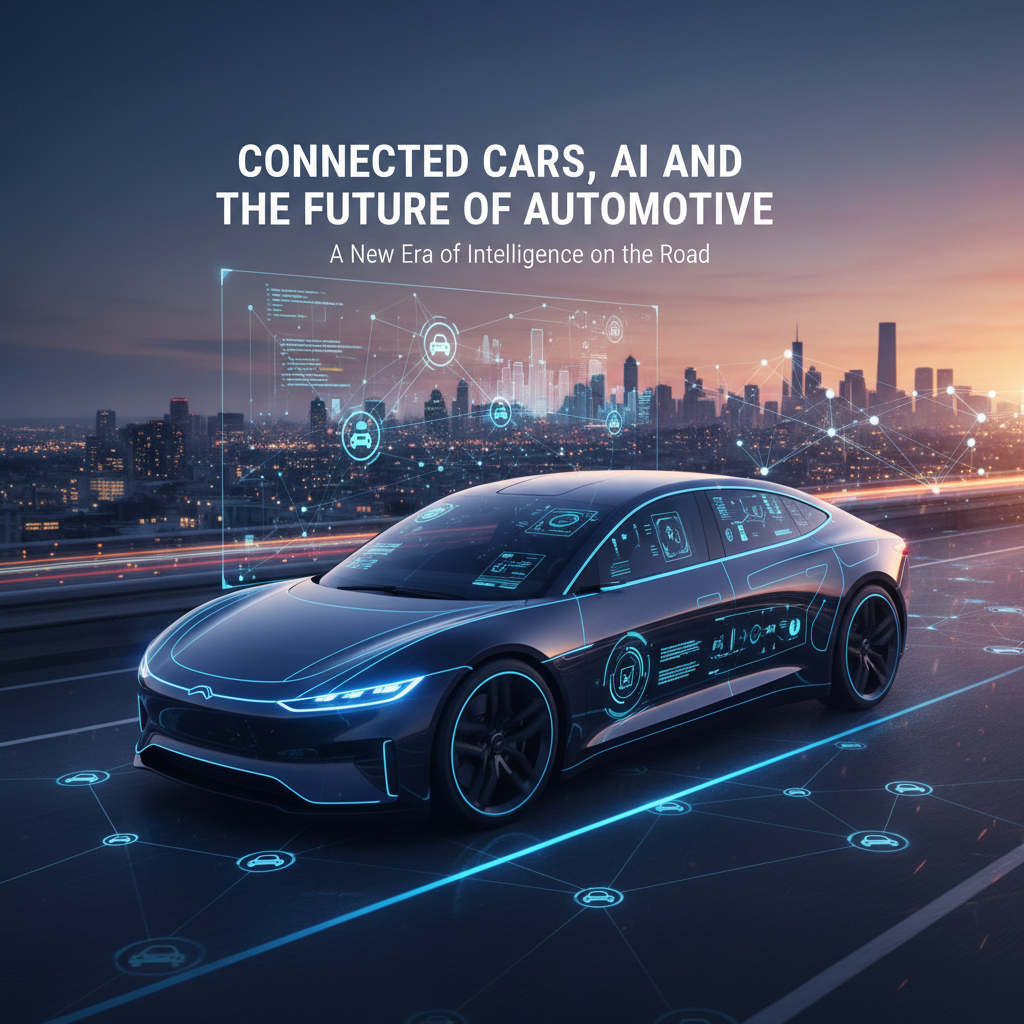
Connected Cars, AI and the Future of Automotive
Driving Into Tomorrow: The Rise of Smart Vehicles
The automotive landscape is undergoing a massive transformation, shifting from simple mechanical transport to complex, data-driven computing platforms on wheels. Today’s vehicles are no longer just about horsepower and torque; they are about software, connectivity, and artificial intelligence. As automakers race to redefine mobility, the convergence of connected cars and advanced algorithms is completely reshaping how we experience travel, safety, and vehicle ownership.


The Role of Artificial Intelligence in Modern Driving
Artificial intelligence serves as the brain for the next generation of automobiles. By processing massive volumes of data in real-time, AI systems can make split-second decisions that protect passengers and optimize performance. From advanced driver-assistance systems to predictive maintenance algorithms, machine learning models analyze everything from tire pressure to driver fatigue levels.
Enhancing Safety Through Machine Learning
Safety remains the primary driver of automotive innovation. Modern machine learning models process sensor inputs from cameras, radar, and LiDAR to detect potential hazards long before a human driver might notice them. Key safety features include:

- Automatic emergency braking with pedestrian detection
- Adaptive cruise control with lane-keeping assistance
- Real-time blind-spot monitoring and collision warning
- Driver attention tracking via interior-facing cameras
The Connected Ecosystem
Connectivity turns the automobile into a node within a broader digital ecosystem. Through vehicle-to-everything communication, cars can now talk to traffic lights, pedestrian smartphones, and other vehicles on the road. This exchange of information helps reduce traffic congestion, minimize fuel consumption, and prevent accidents at blind intersections before they happen.

Over-the-Air Updates and Personalization
Gone are the days when a car’s features were locked in the moment it rolled off the assembly line. Over-the-air software updates allow manufacturers to patch security vulnerabilities, enhance infotainment systems, and even unlock performance upgrades remotely. Furthermore, cloud-based driver profiles mean your vehicle can automatically adjust seat positions, climate preferences, and favorite playlists the moment you step inside, regardless of which car you are driving.
Challenges on the Road Ahead
Despite the incredible potential, this technological evolution brings significant hurdles. Cybersecurity is a major concern, as an internet-connected vehicle represents a potential target for malicious hackers. Protecting user privacy against relentless data collection is another critical issue that regulators and manufacturers must address collaboratively. Ensuring robust encryption and transparent data policies will be vital to maintaining consumer trust.
Conclusion: A New Era of Mobility
The integration of artificial intelligence and connectivity into modern transportation marks the beginning of an exciting new chapter. As these technologies mature, our relationship with personal transport will become more seamless, intuitive, and secure. The road ahead is bright, and the automotive industry will never be the same again.