California Car Buying Guide 2026: EVs, Hybrids, Used Cars
California Car Buying in 2026: EVs, Hybrids, Used Cars and Financing Trends
Buying a car in California in 2026 means balancing new technology, an evolving market, and personal needs. Whether you’re considering a new electric vehicle, a hybrid, a reliable used gasoline car, or weighing financing options, the right choice depends on driving habits, budget, vehicle use, and long-term ownership considerations. This guide walks California buyers through the major factors to evaluate without assuming specific prices or incentives.


Why California is Different
California continues to be a leading market for electrified vehicles, charging infrastructure, and regulatory change. That environment affects availability, vehicle choice, and total ownership experience in ways that vary by region — from dense coastal cities to inland suburbs and rural counties. When evaluating cars, think locally: where you park, whether you have home charging or rely on public chargers, and how far you drive daily.
Electric Vehicles (EVs): What to Consider
Range and Real-World Use
Range is still the headline metric, but real-world range depends on driving speed, climate, payload, and accessory use. Consider the typical trips you make: commuting, errands, and longer weekend drives. If you regularly take longer trips, ensure you understand charging corridor options along your routes.

Charging Access
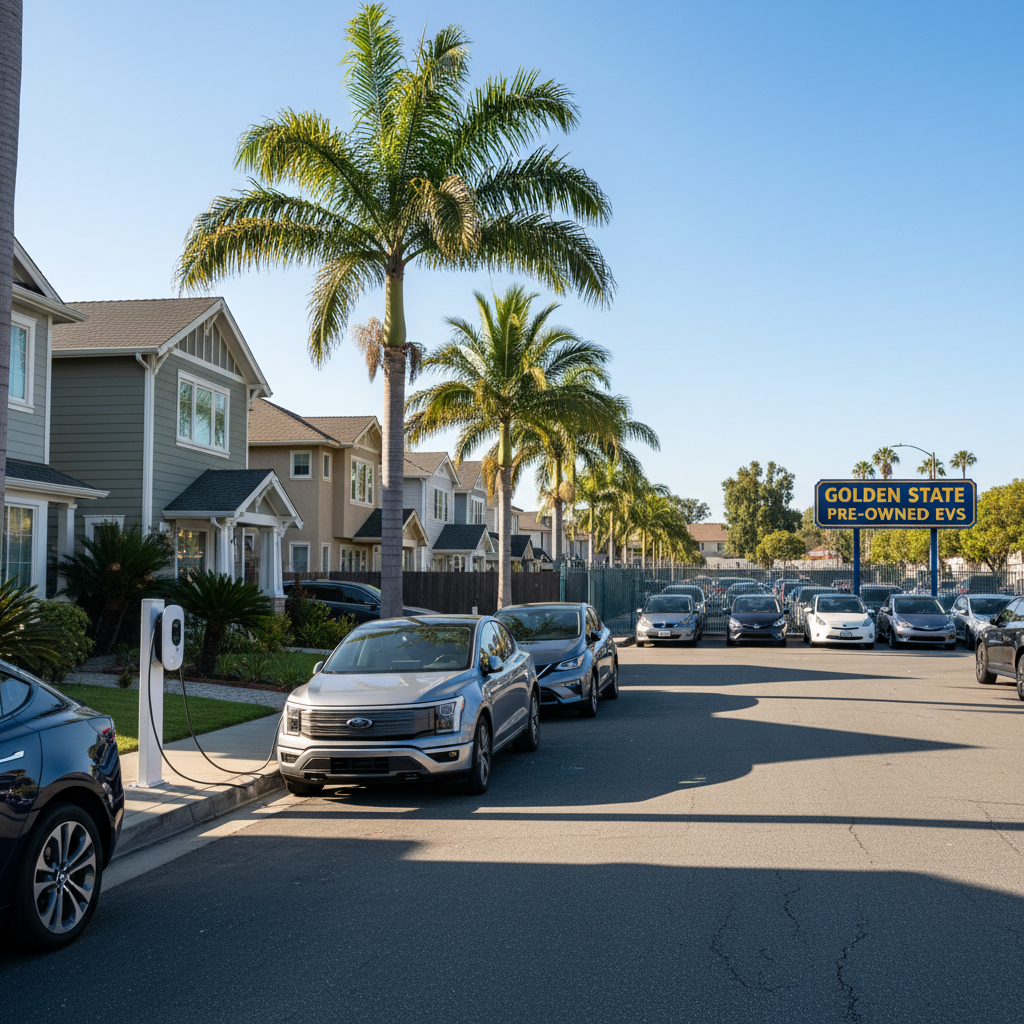
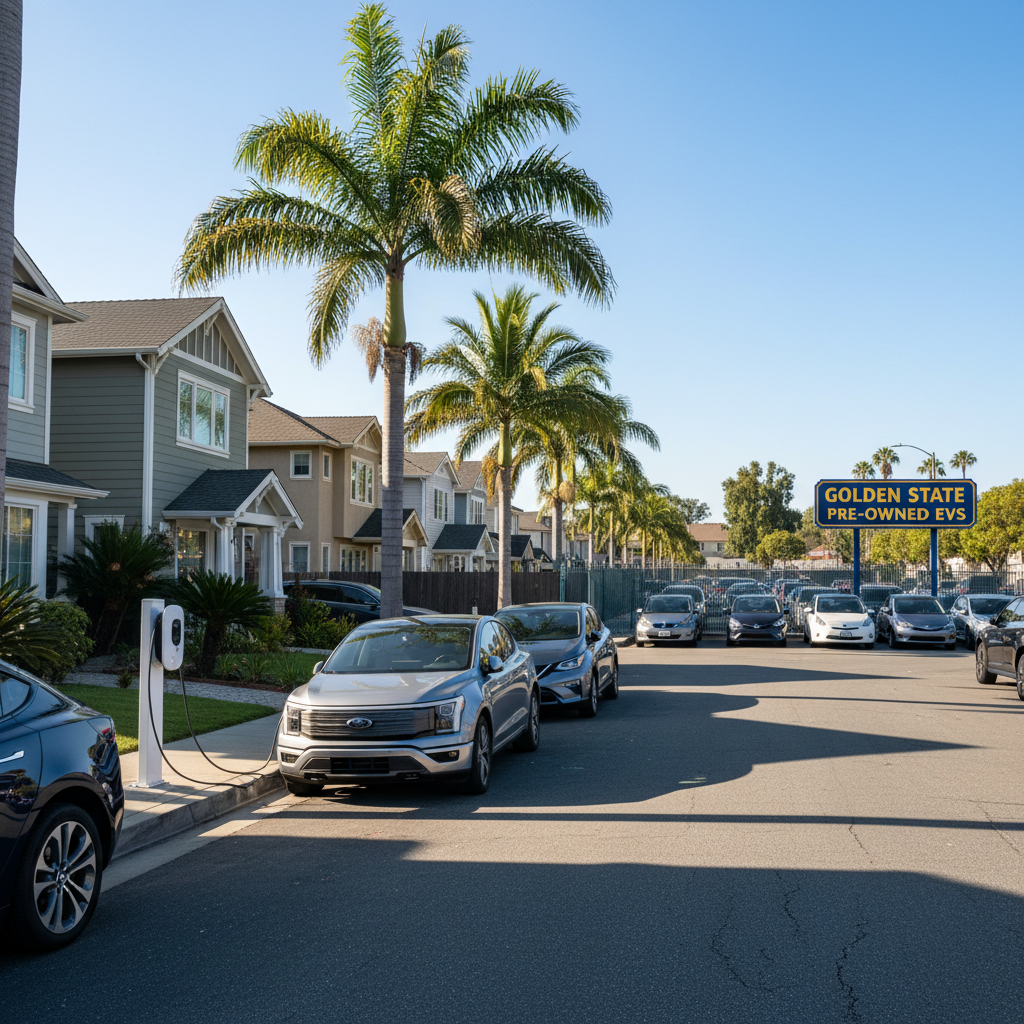
Charging access is a decisive factor in California. Home charging is the most convenient option for many owners; if you live in a single-family home with dedicated parking, installing a Level 2 charger could be practical. Apartment dwellers will want to investigate building-level chargers or nearby public options. When relying on public charging, check station availability, connector types, and charging speeds for your model.

Ownership Costs and Maintenance
EVs generally have fewer routine maintenance items—no oil changes and fewer moving parts—while potential long-term costs can hinge on battery health and replacement options. For buyers of used EVs, battery condition and warranty status are essential review points.
Hybrid Vehicles: A Middle Ground
Hybrids and plug-in hybrids offer a bridge between gasoline and full-electric driving. They can reduce fuel use for drivers with mixed trip patterns and provide simpler refueling logistics for drivers without reliable access to chargers. Compare real-world fuel economy, battery range for plug-in hybrids, and cargo or towing needs when evaluating these models.
Used Cars and Gasoline Vehicles
Used Gasoline Cars
For many Californians, a well-maintained used gasoline vehicle still makes sense—particularly for buyers on tighter budgets or in areas with limited charging. Look for thorough service records, recent inspections, and indications of rust or accident damage.
Used EVs and Hybrids
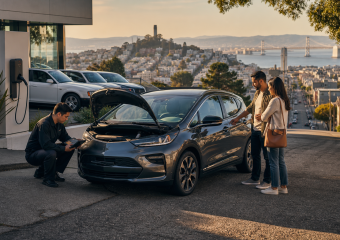
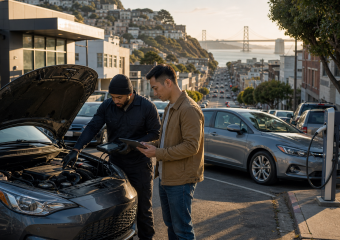
Buying a used electrified vehicle introduces specific checks: battery health, state-of-charge behavior, charging port condition, and warranty transferability. Certified pre-owned programs can add assurance, but a professional inspection and a battery diagnostic report are recommended.
Financing, Leasing, and Total Cost
Financing choices shape monthly payments and long-term ownership costs. Typical variables to compare include loan term, interest rate, down payment, and residual values. Leasing can lower monthly payments and offer flexibility for buyers who like to update vehicles frequently, while buying can be better for longer ownership horizons.
When comparing options, use a simple total-cost approach: factor purchase or lease payments, fuel or electricity costs, maintenance, insurance, expected depreciation, and potential incentives or rebates (verify current details before relying on them). Remember that insurance premiums and registration fees can differ between electrified and conventional vehicles.
How to Compare and Decide
Use this checklist to compare vehicles objectively:
- Daily driving distance and typical trip types.
- Parking and charging availability at home or work.
- Intended ownership period and resale considerations.
- Maintenance expectations and warranty coverage.
- Financing versus leasing impact on monthly cash flow.
- Local benefits that may apply to certain powertrains (verify current rules).
Practical Tips for California Buyers
Before signing, test-drive models in real commuting conditions, inspect used vehicles carefully, and ask for battery or hybrid-system diagnostics when relevant. Check local permitting and installation requirements for home chargers. Finally, consult up-to-date state and local resources to confirm any incentives, registration rules, or lane-access programs that might affect your decision.
Conclusion
In California in 2026, car buying is less about choosing the “best” fuel type and more about choosing the best fit for your life. EVs, hybrids, and gasoline cars each have strengths and trade-offs. Align your purchase with driving habits, budget, charging access, and how long you plan to keep the vehicle—and verify current incentives or regulations before finalizing the transaction.