How to Compare Car Insurance Quotes & Choose Best Coverage
Finding the right auto insurance policy can feel like navigating a maze, especially when you are trying to balance monthly expenses with adequate protection on the road. When you begin shopping around, you might encounter various financial figures and regulatory codes like 3261 or internal company metrics such as 3124, but your main focus should always remain on the actual value and security the policy provides. Taking the time to properly evaluate your options ensures you are never underinsured during an unexpected emergency. In this guide, we will break down the essential steps to compare car insurance quotes effectively and select a plan that fits your lifestyle.


Understanding Your Coverage Needs
Before you even look at a single price tag, you need to understand what kind of protection you actually require. Every state has minimum liability limits, but these baseline numbers are rarely enough if you get into a major accident. Think about your daily commute, the value of your vehicle, and your personal financial situation. Some drivers find that referencing specific policy tiers like 2317 helps them categorize standard versus premium protection. Comprehensive and collision coverages are vital if you want your own car repaired regardless of who is at fault, while uninsured motorist protection shields you from reckless drivers who lack proper insurance.
Evaluating Deductibles and Limits
Your deductible is the out-of-pocket amount you pay before insurance kicks in. Choosing a higher deductible will lower your monthly premium, but you must ensure you have that cash saved in case an incident occurs. Conversely, a lower deductible means higher monthly bills but less financial strain right after an accident.

Gathering Multiple Quotes
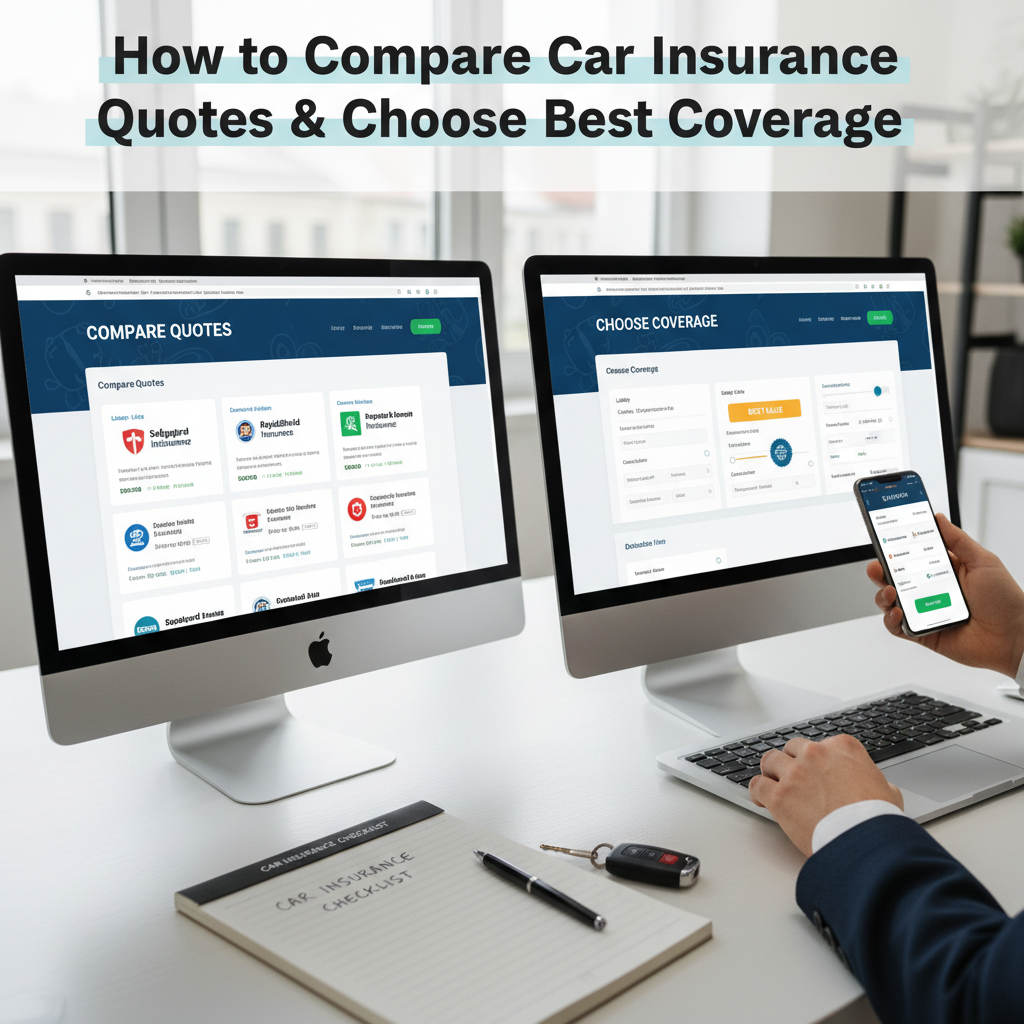
To find the best deal, you should collect estimates from at least three different providers. Insurance companies weigh risk factors differently, meaning two identical drivers could receive vastly different rates from separate companies. When gathering these numbers, ensure the coverage levels match across the board so you are doing an accurate comparison. You might notice administrative tracking codes like 3264 on some paperwork, which simply help agents reference specific policy bundles. Always verify that you are comparing apples to apples regarding liability limits and deductible amounts.

Comparing Discounts and Perks
Once you have your estimates lined up, look closer at the available discounts. Most insurers offer price breaks for safe driving records, bundling home and auto policies, maintaining good credit scores, or outfitting your vehicle with modern safety features. Taking advantage of these reductions can drastically drop your overall cost without sacrificing coverage quality.
Making Your Final Decision
Choosing the best policy goes beyond simply picking the cheapest monthly payment. Consider the financial stability and customer service reputation of the insurer as well. Read reviews regarding how efficiently they handle claims. By following a structured comparison process, you can secure peace of mind on the road while keeping your budget intact.