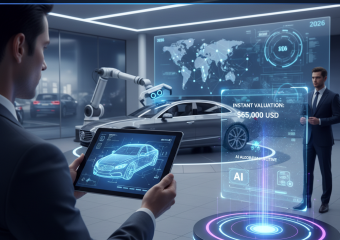
How AI Is Helping Dealerships Reduce Inventory Costs and Sell Cars Faster
The automotive retail industry is undergoing a massive transformation, driven largely by the integration of artificial intelligence into everyday operations. For decades, managing a car lot meant relying heavily on gut feeling, historical precedent, and trial-and-error purchasing. Today, forward-thinking dealerships are utilizing intelligent software to streamline lot management, slash holding expenses, and accelerate vehicle turnover. By leveraging data-driven insights, modern operators can predict market trends, optimize pricing, and connect with serious buyers faster than ever before.


Holding costs can quietly erode dealership profit margins. Every day a vehicle sits on the lot, it accrues floor plan interest, requires maintenance, and loses a fraction of its market value. Artificial intelligence addresses this challenge head-on by improving how dealerships source and stock vehicles.
Predictive Analytics and Smarter Sourcing
Instead of guessing which models will attract local buyers, machine learning algorithms analyze massive sets of regional data, seasonal demands, and historical sales. These systems evaluate what is currently trending in the local market, allowing inventory managers to acquire vehicles that are primed for quick sales.

- Forecasts regional demand shifts to avoid overstocking unpopular trims.
- Automates trade-in evaluations to price acquisitions accurately from the start.
- Identifies high-margin vehicles that move rapidly off the lot.
Dynamic Pricing Optimization
Static pricing models often result in cars sitting stagnant for months before a reactive price drop occurs. AI-driven dynamic pricing tools monitor real-time market shifts, competitor pricing strategies, and lot age to suggest micro-adjustments. By making proactive, minor price optimizations early in the vehicle lifecycle, dealerships protect their overall gross margins and prevent heavy markdown losses later.

Accelerating Sales Velocity Through Automation
Reducing inventory costs is only half the battle; the other half is selling cars faster. AI assists sales departments by managing customer inquiries the moment they arrive online. Automated virtual assistants and intelligent chat systems can answer routine questions, qualify leads based on intent, and book showroom appointments even outside of standard business hours.
Furthermore, lead-scoring algorithms evaluate consumer behavior across digital platforms to highlight high-intent buyers. Instead of wasting hours on cold leads, sales representatives can focus their energy on prospects who are ready to make a purchase. This targeted approach drastically reduces the average sales cycle and improves overall dealership efficiency.
The Bottom Line for Modern Dealerships
Embracing artificial intelligence is no longer just a futuristic concept for car dealerships—it is a practical necessity for staying competitive. By combining predictive inventory curation, dynamic pricing, and automated lead management, automotive retailers can successfully minimize holding expenses and boost sales velocity. Ultimately, these technologies create a leaner, more agile business model that thrives in any economic climate.