Driving the Future: AI in Automotive Technology
Driving the Future: AI in Automotive Technology
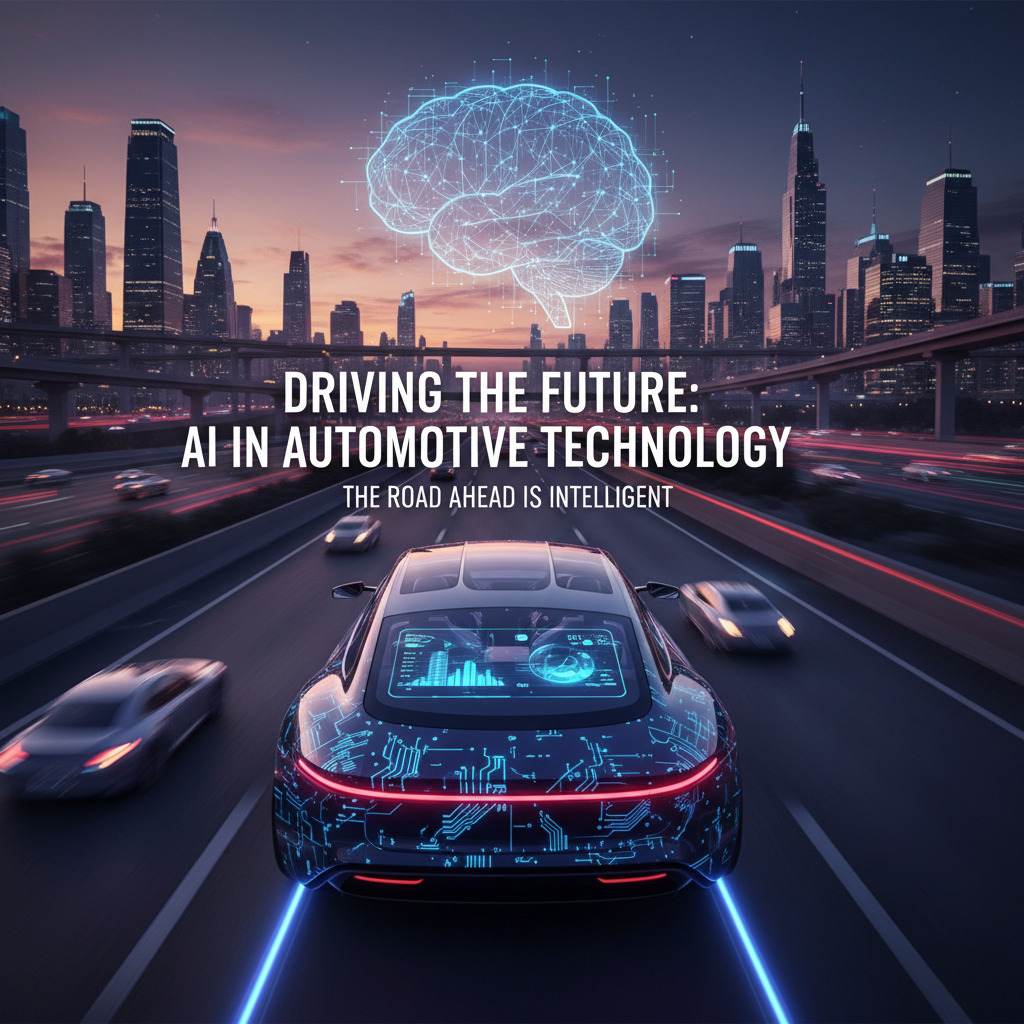
The intersection of artificial intelligence and the automotive industry is reshaping how we think about transportation. For over a century, cars were primarily mechanical machines powered by internal combustion engines and steered entirely by human hands. Today, a quiet revolution is taking place under the hood and across the dashboard. Artificial intelligence, automotive technology, and continuous innovation are converging to create vehicles that are smarter, safer, and more connected than ever before. This transformation goes far beyond self-driving cars; it touches every aspect of design, manufacturing, and the daily driving experience.


The Evolution of Smart Vehicles
Artificial intelligence acts as the brain for modern vehicles, processing vast amounts of data in real-time to make split-second decisions. Traditional computing systems relied on rigid, pre-written rules, but machine learning allows cars to adapt to changing environments and learn from past experiences. From advanced driver-assistance systems (ADAS) that monitor blind spots to full autonomous navigation, AI algorithms interpret sensor data from cameras, radar, and LiDAR with incredible precision.
Key Benefits of AI on the Road
- Enhanced safety through predictive collision avoidance
- Optimized traffic flow via connected vehicle networks
- Personalized cabin experiences tailored to individual driver preferences
- Real-time predictive maintenance that flags mechanical issues before they cause breakdowns
Transforming Manufacturing and Design
Innovation in the automotive sector is not limited to what happens on the open road. Inside manufacturing plants, artificial intelligence has completely revolutionized production lines. Computer vision systems inspect vehicle components for microscopic defects with an accuracy that surpasses human capability. Meanwhile, generative design software helps engineers create lighter, stronger chassis components by simulating thousands of structural variations in a matter of hours.

The Road Ahead: Challenges and Opportunities
Despite the incredible momentum, integrating artificial intelligence into automotive technology comes with significant challenges. Cybersecurity remains a top priority, as connected vehicles present potential targets for malicious attacks. Furthermore, regulatory frameworks must evolve to keep pace with rapid technological advancements, ensuring that autonomous systems are rigorously tested before hitting public streets. Ethical dilemmas surrounding decision-making algorithms in unavoidable crash scenarios also require careful consideration by lawmakers, ethicists, and engineers alike.

Ultimately, the fusion of artificial intelligence and automotive engineering promises a cleaner, safer, and more efficient future of mobility. As automakers continue to push the boundaries of what is possible, the vehicles of tomorrow will serve as seamless extensions of our digital lives, fundamentally redefining the human relationship with the automobile.