
How AI Simplifies the Car-Buying Journey
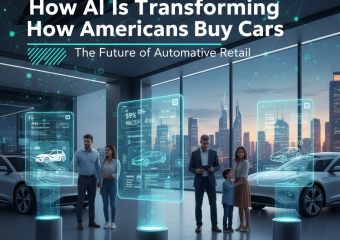
For decades, purchasing a new vehicle has been notorious for being a stressful, time-consuming ordeal. Consumers often spend weeks wading through endless online listings, comparing confusing specifications, and dealing with aggressive dealership tactics. However, the automotive landscape is undergoing a massive transformation thanks to artificial intelligence. From the initial search query to the final digital handshake, modern machine learning tools are reshaping how we acquire vehicles, turning a convoluted chore into a streamlined, personalized experience.


Smarter Search and Discovery
The traditional car-search process usually starts with clicking through dozens of filter options on massive inventory websites. You check boxes for make, model, year, and price range, often feeling overwhelmed by thousands of results that do not quite fit your lifestyle. Artificial intelligence changes this paradigm entirely by shifting from rigid filters to natural language understanding.
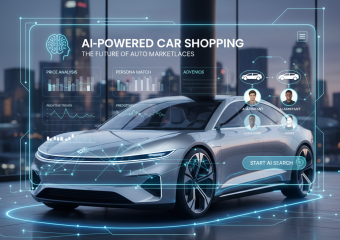
Advanced recommendation engines look beyond basic parameters. Instead of just showing you compact SUVs under thirty thousand dollars, an AI-driven platform can analyze your behavioral patterns, driving habits, and implicit preferences. By conversing with an intelligent virtual assistant, you can describe your lifestyle—such as needing a vehicle for weekend camping trips, daily urban commuting, and accommodating two large dogs—and receive a curated list of three precise matches within seconds.

Personalized Trim and Feature Matching
Navigating trim levels has always felt like cracking a secret code. Do you really need the upgraded sound system, or is the base model sufficient? Intelligent algorithms evaluate your media habits, tech usage, and comfort preferences to suggest the exact trim level that offers the best value for your unique needs, preventing you from paying for unneeded features.

Transparent Pricing and Valuation
One of the biggest pain points in the automotive market has always been vehicle valuation and price negotiation. Buyers frequently worry about overpaying, while sellers struggle to understand true market value. Machine learning models ingest millions of historical transaction records, local market demands, seasonal fluctuations, and real-time economic indicators to provide hyper-accurate pricing insights.
When trading in an old vehicle, computer vision algorithms can analyze photos of your car taken via your smartphone. By instantly detecting minor dents, interior wear, and tire conditions, the system generates an instant, reliable appraisal value without requiring an immediate physical inspection. This level of transparency builds trust and drastically shortens negotiation cycles.
Streamlined Financing and Paperwork
Once you select your dream vehicle, the journey hits the notorious finance and insurance office. This stage traditionally involves hours of waiting, signing stacks of physical documents, and deciphering complex loan terms. Modern automated platforms have largely digitized this bottleneck.
Smart lending tools integrate with banking networks to evaluate credit profiles, match buyers with competitive loan rates, and auto-populate complex legal paperwork in minutes. Smart contracts and secure digital verification ensure that compliance checks happen instantly in the background. What used to take an entire Saturday afternoon at a dealership can now be completed securely from your living room couch before you even step foot on the lot.
The Future of the Road Ahead
Ultimately, the integration of artificial intelligence into the automotive retail sector is a win-win for both consumers and dealerships. By eliminating friction, reducing administrative overhead, and injecting transparency into every phase, technology empowers buyers to make confident, informed decisions. As these tools continue to evolve, finding and driving your next vehicle will become as effortless as clicking a button.