Best Places to Shop for a Car in the Bay Area
Best Places to Shop for a Car in the Bay Area: A Local Buyer’s Guide
Shopping for a car in the Bay Area means balancing geography, budget, and lifestyle: tight parking in San Francisco, long commutes across the Peninsula or East Bay, and occasional steep hills. This guide walks through the main channels Bay Area consumers use to buy vehicles—traditional dealerships, independent dealers, private-party sales, online marketplaces, and local automotive services—and explains what to compare so you make a smart, practical choice.


Where Bay Area Buyers Shop: An Overview
Each buying channel has trade-offs in price, convenience, and protection. Your needs—daily commute, parking constraints, family size, and tolerance for DIY inspections—will determine which route is best.
Traditional Franchised Dealerships
Franchised dealerships sell new cars and certified pre-owned vehicles from specific manufacturers. They tend to offer predictable financing options, manufacturer warranties, and trade-in services. For buyers who prioritize warranty coverage and dealer-backed inspections, this is often a comfortable option.

Independent Dealers
Independent used-car lots usually offer a wider variety of makes and model years. Pricing can be competitive, but dealer-provided warranties and return policies vary. Independent dealers may be a good fit if you want broader selection and are prepared to ask more questions about vehicle history and service work.

Private-Party Sales
Buying directly from an owner often gets you a lower price, but it requires more due diligence. Private-party sales typically come without warranty, so inspections and title checks are crucial. This path can be cost-effective for experienced buyers comfortable arranging financing and registration themselves.
Online Automotive Marketplaces
These platforms aggregate listings from dealers and private sellers. They make comparison shopping easier—filter by price, mileage, location, and features—but listings vary in completeness. Many marketplaces also offer remote paperwork options and third-party inspection services.
Local Automotive Services
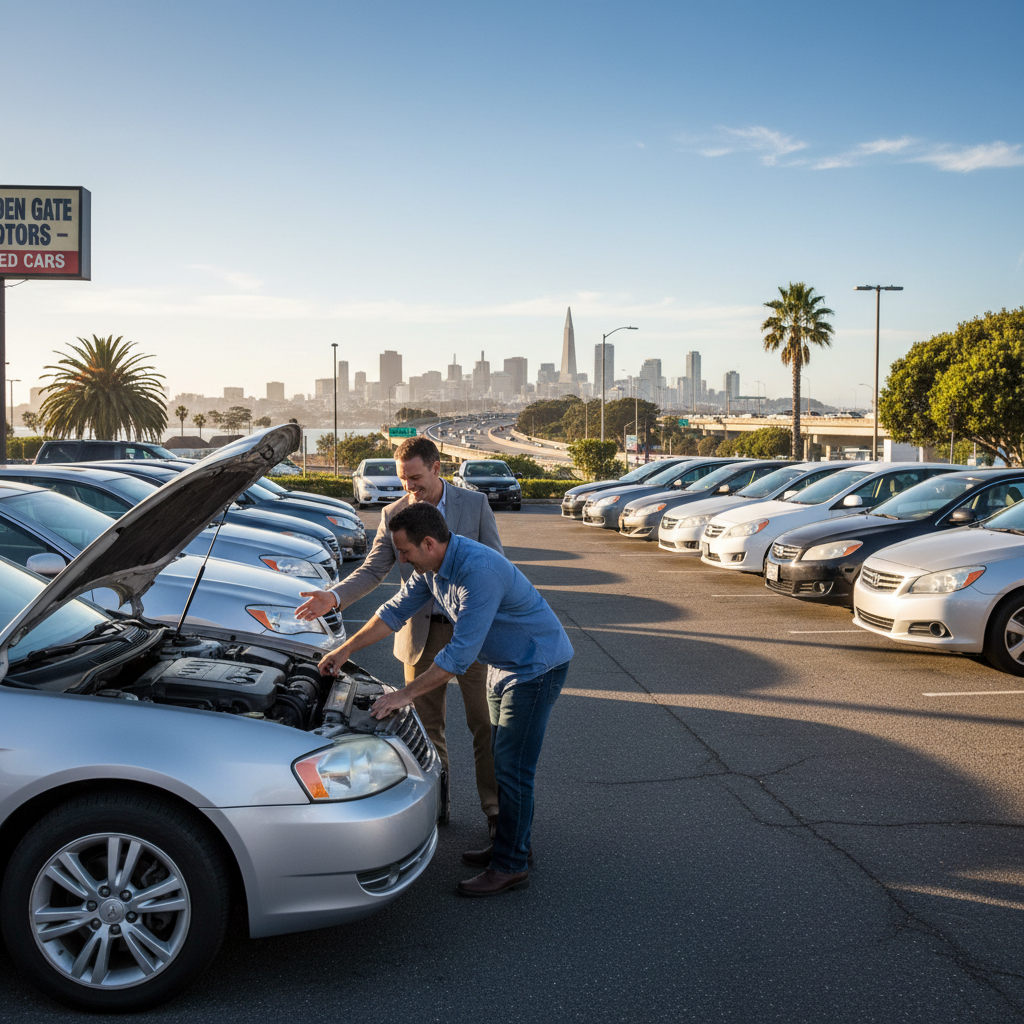
Independent mechanics, mobile inspectors, and local shops play a key role in safe buying. A pre-purchase inspection by a Bay Area mechanic can identify issues that matter in this region, like corrosion from coastal exposure or suspension wear from hilly driving.
What to Compare Before You Buy
Whatever channel you choose, compare these core elements to evaluate overall value and future costs.
Vehicle Condition
- History reports and service records—look for consistent maintenance and any past collision repairs.
- Detailed inspection—use a trusted Bay Area mechanic for a pre-purchase check, especially for high-mileage vehicles.
- Local wear factors—coastal salt air, steep inclines, and stop-and-go traffic can accelerate certain issues.
Pricing and Total Cost of Ownership
Compare the asking price against similar listings and factor in taxes, registration, anticipated maintenance, insurance, and fuel or electric charging costs. In the Bay Area, parking and insurance premiums can vary widely by city and neighborhood.
Financing and Trade-Ins
Dealerships and online marketplaces often provide financing; private sales usually require arranging a loan beforehand. Shop rates from banks and credit unions and compare total interest paid. If you plan to trade in, get separate appraisals so you can evaluate the dealer’s offer independently.
Warranties and Return Policies
Certified pre-owned vehicles and dealer-backed sales may include warranties. Independent sellers and private-party transactions rarely do, so decide how much out-of-pocket risk you’re willing to accept. Carefully read the fine print on any limited warranty or return window.
Fees and Inspection Options
Ask for a breakdown of fees—documentation, registration, dealer processing, and any add-ons. For any used purchase, arrange a comprehensive inspection and, if applicable, a smog check or emissions test that meets California requirements.
Bay Area Specific Tips
- Consider commute distances and charging infrastructure if you’re looking at electric vehicles—availability of home or workplace charging matters.
- Factor in parking constraints and street-cleaning rules in dense cities; smaller or more maneuverable vehicles can save daily hassle.
- Check local insurance rates early—urban ZIP codes sometimes carry higher premiums that affect monthly cost.
- Plan timing around weekends and weekday traffic when visiting lots or private sellers; allow extra time for test drives across the routes you’ll actually drive.
Quick Buyer’s Checklist
- Obtain a vehicle history report and maintenance records.
- Have a pre-purchase inspection scheduled with an independent mechanic.
- Compare financing offers and calculate total interest and fees.
- Get separate appraisals for trade-in and private sale offers.
- Confirm warranty terms, return windows, and covered items in writing.
- Estimate ownership costs: insurance, parking, fuel/charging, and maintenance.
Final Thoughts
There’s no single “best” place to shop in the Bay Area—each channel serves different needs. Traditional dealerships offer structure and warranty, independent dealers broaden choice, private-party sales can save money for careful buyers, and online marketplaces speed comparison. Pair any purchase with a local inspection and clear cost comparisons to find the vehicle that fits both your lifestyle and your wallet.