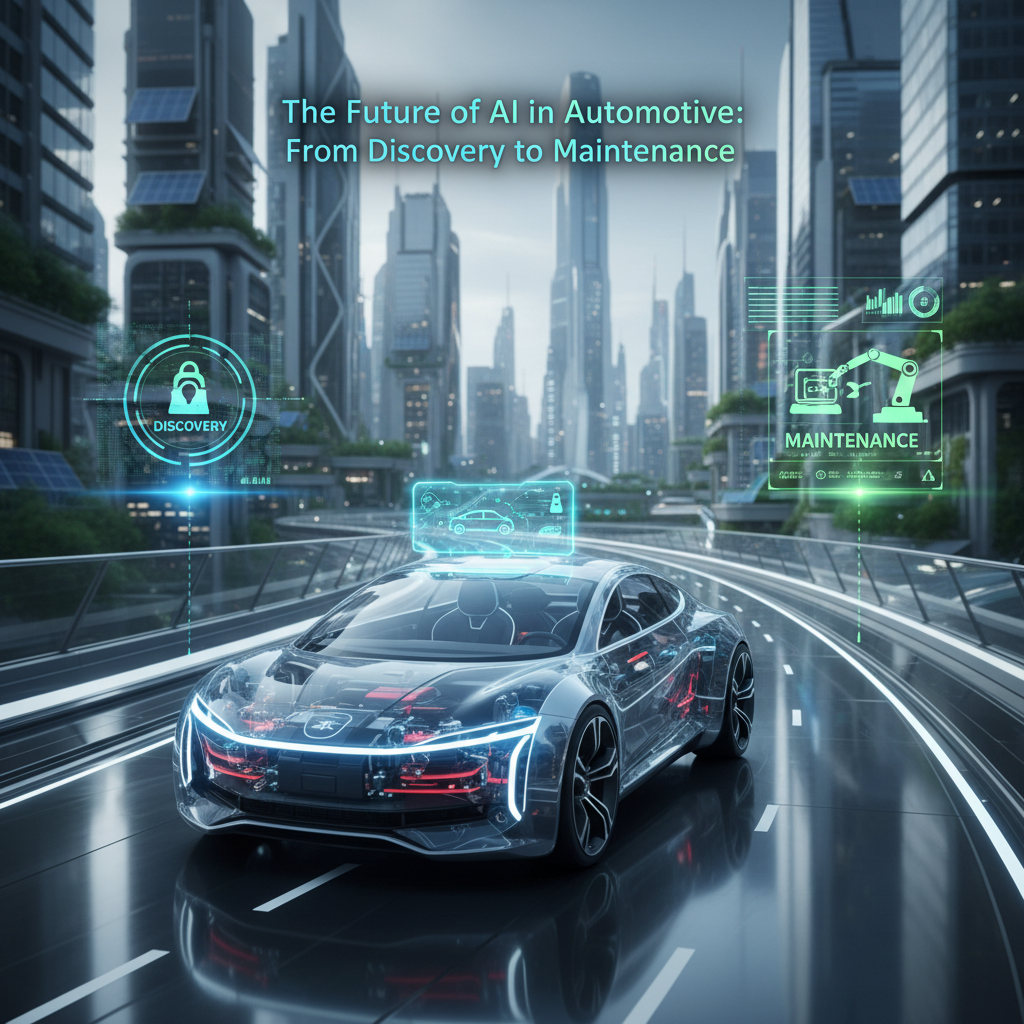
The Future of AI in Automotive: From Discovery to Maintenance
Introduction to Artificial Intelligence on Four Wheels
The automotive industry is undergoing a profound transformation, driven largely by rapid advancements in artificial intelligence. From the moment a buyer begins searching for a new car to years down the road when the vehicle requires servicing, machine learning algorithms and smart systems are reshaping every touchpoint. This evolution goes far beyond autonomous driving; it touches how we buy, experience, and maintain our daily modes of transportation.


Reinventing Vehicle Discovery and the Buying Journey
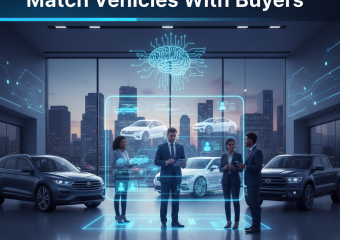
Buying a car used to involve spending weekends walking through crowded dealership lots, negotiating with salespeople, and sorting through endless brochures. Today, artificial intelligence has streamlined vehicle discovery into a deeply personalized digital experience. Advanced recommendation engines analyze consumer preferences, driving habits, and lifestyle needs to suggest the ideal make and model.
Virtual Showrooms and Smart Recommendations
Online car configurators powered by machine learning can predict what features a buyer might want based on similar user profiles. Augmented reality showrooms allow customers to virtually test-drive cars from their living rooms, customizing colors, interiors, and tech packages in real-time. This frictionless discovery process saves time and connects buyers with vehicles that genuinely match their needs.

The Intelligent Cockpit and Personalization
Once a vehicle is purchased, AI continues to enhance the driving experience from within the cabin. Modern infotainment systems act as intelligent assistants, learning driver preferences over time. They automatically adjust seat positions, mirror angles, climate control, and favorite music playlists the moment the driver enters the vehicle.

Natural language processing has also evolved significantly. Drivers can now converse with their cars naturally, handling complex commands like adjusting navigation routes, checking tire pressures, or controlling smart home devices without taking their eyes off the road. This seamless integration of technology makes driving safer and more enjoyable.
From Reactive Repairs to Predictive Maintenance
Perhaps one of the most impactful applications of artificial intelligence in the automotive sector lies under the hood. Traditional car ownership often meant waiting for something to break before visiting a mechanic—a reactive approach that frequently led to expensive emergency repairs and unexpected breakdowns.
How Predictive Diagnostics Work
Modern connected vehicles generate massive amounts of data every second. Sensors monitor everything from engine temperature and fluid viscosity to brake pad wear and battery health. Machine learning models analyze these telemetry streams continuously, identifying subtle anomalies that human technicians might miss.
- Early warning alerts for failing components before they cause a breakdown.
- Optimized service schedules tailored to individual driving styles rather than arbitrary mileage intervals.
- Automated parts ordering, ensuring dealerships have the necessary components ready before the car even arrives for service.
By shifting from reactive repairs to predictive maintenance, automakers and service centers can save vehicle owners time and money while drastically improving overall road safety.
The Road Ahead
As artificial intelligence continues to mature, its integration into the automotive ecosystem will only deepen. From the initial spark of vehicle discovery to the lifetime of automated health monitoring, AI ensures that owning and driving a car is safer, smarter, and more efficient than ever before. The cars of tomorrow are not just machines of steel and glass; they are intelligent companions designed to understand and care for their drivers.